X
Welcome to Ceramic Review
Ceramic Review is the magazine for contemporary and historical ceramics, ceramic art and pottery.
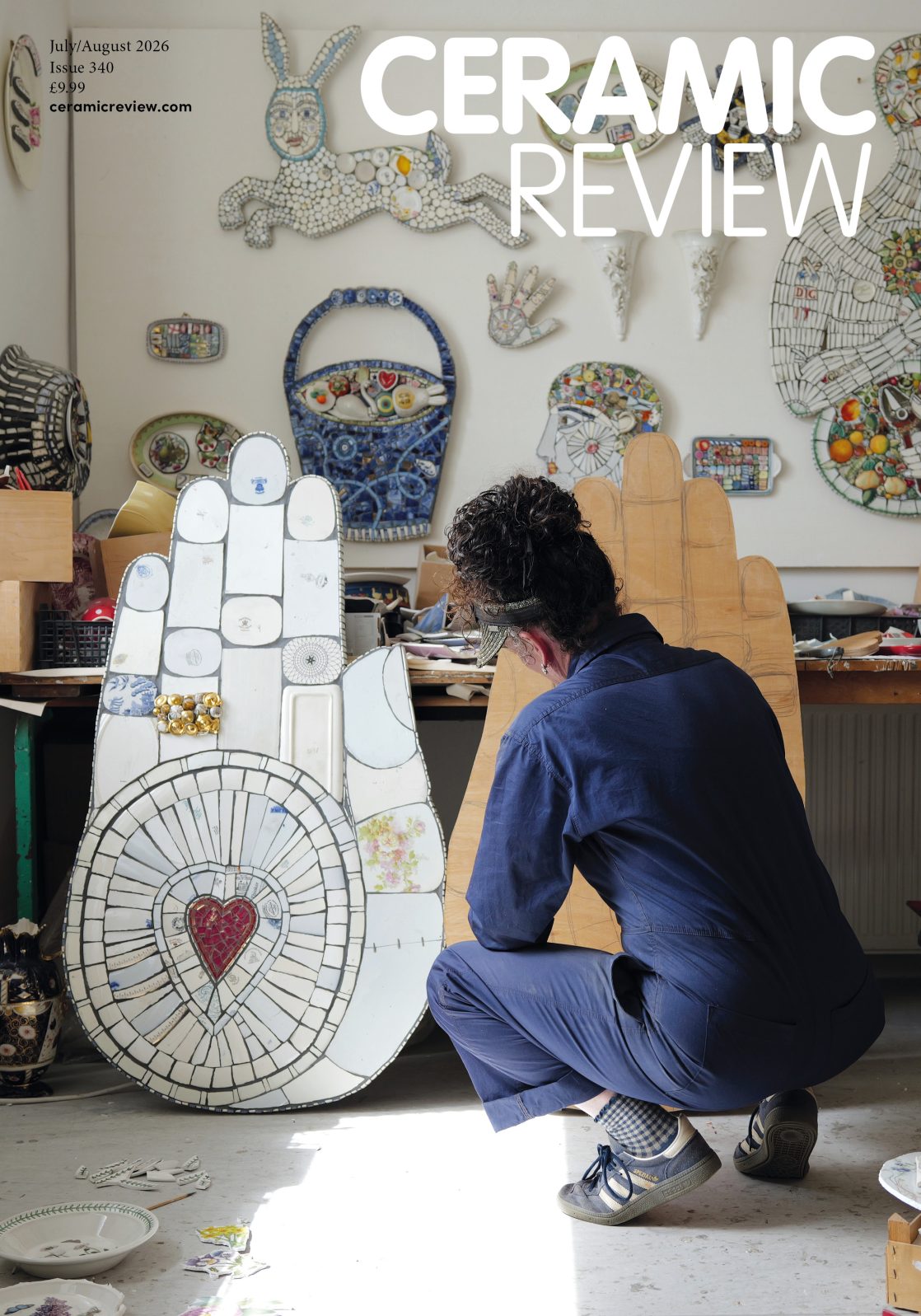
Ceramic Review Issue 340
July/August 2026
Ceramic Review is the magazine for contemporary and historical ceramics, ceramic art and pottery.
July/August 2026
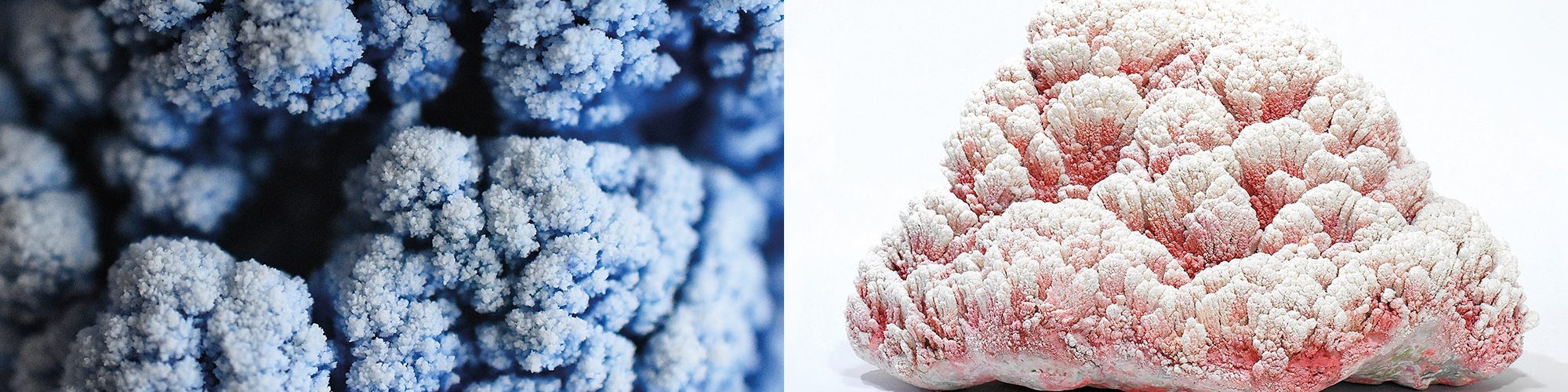
Rie Aizawa creates highly textured, organic sculptures inspired by natural landscapes
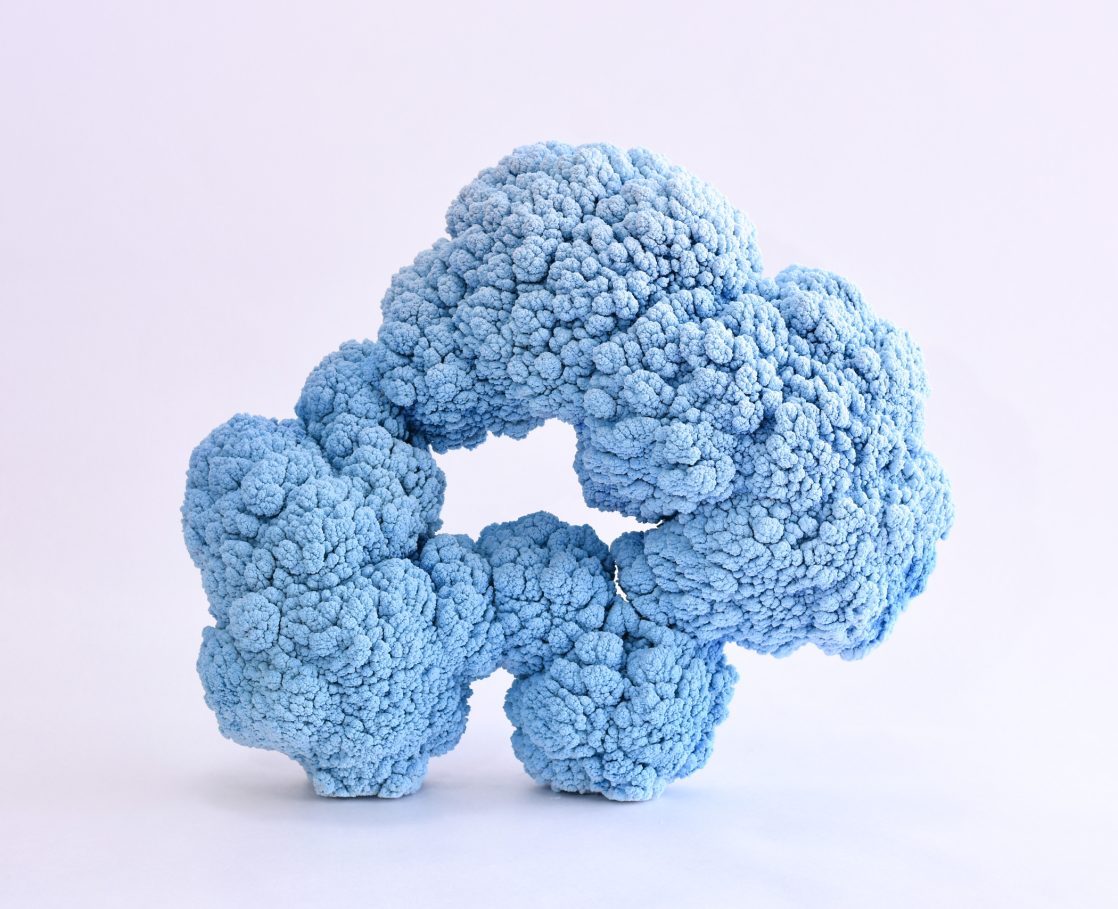
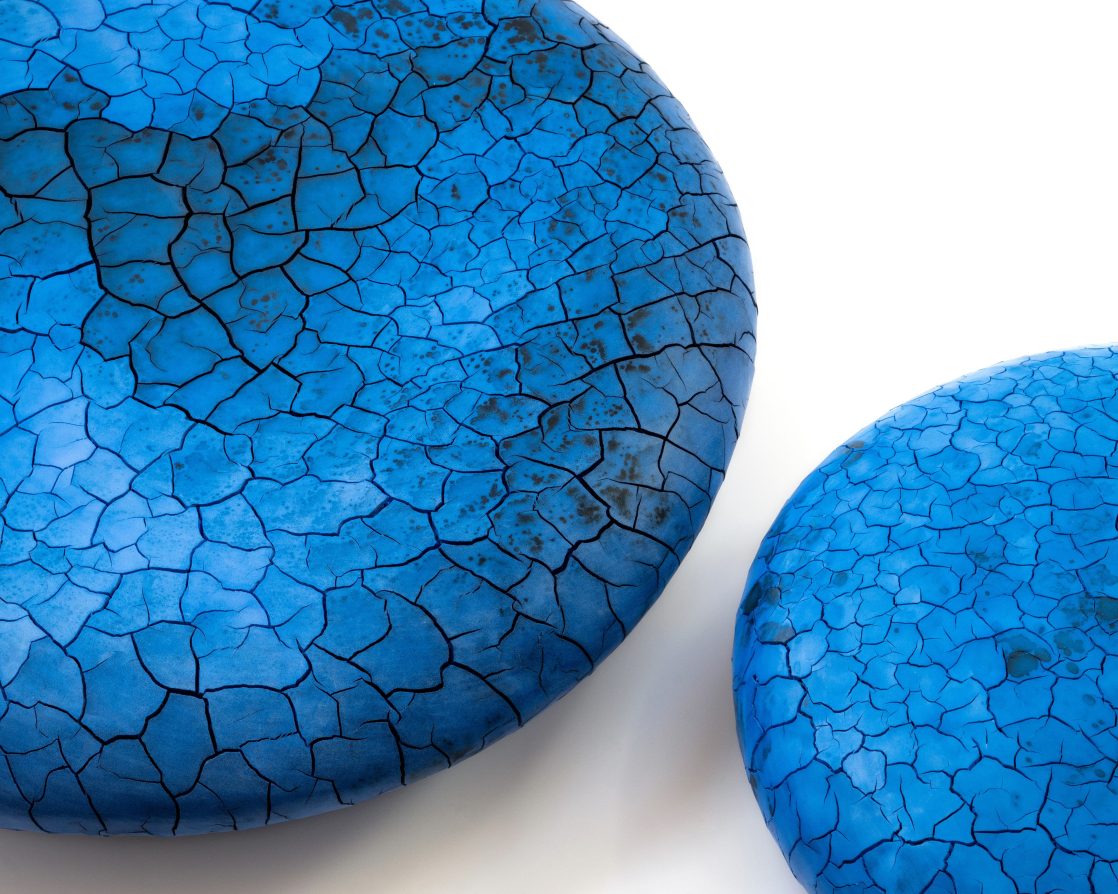
Since childhood, I have been drawn to minerals, driftwood and forms created naturally in the environment. These interests continue to influence the colours and shapes within my work today. Although I create mainly sculptural objects, I am more interested in the ceramic process itself – especially the act of firing – than in form alone.
What interests me most in my work is the process of creating textures that appear as though they might collapse when touched, while still maintaining their form through firing. I am also deeply interested in discovering what kinds of structures or forms best support those fragile surfaces.
My works begin with handbuilt clay structures. I then spray layers of slip onto the surface using a compressor and continue the process through repeated firings. First,
I spray the bottom surface and fire the piece around three times before repositioning it and gradually building texture across the entire form.
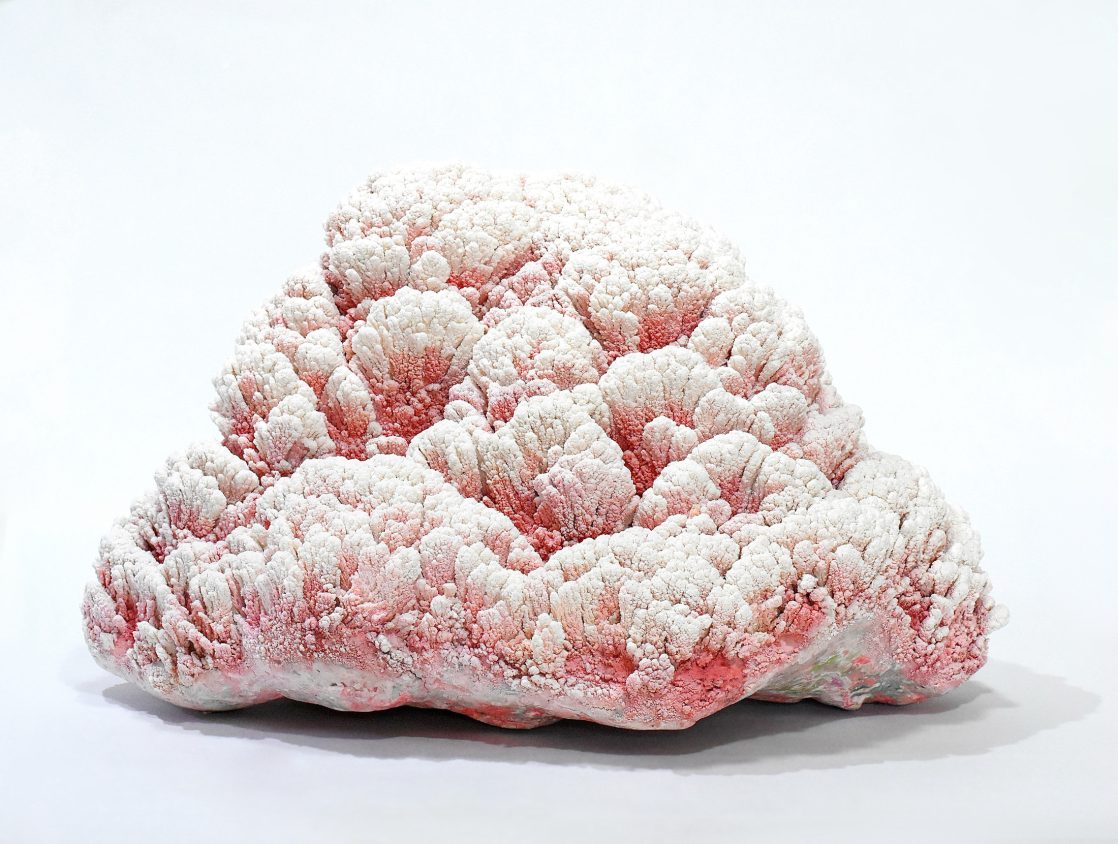
For larger pieces, I use pigmented slip from the beginning, while smaller works often remain white until later stages of the process. In order to adjust the colour, surface variation and texture, I repeatedly alter the final firings, sometimes firing a piece more than ten times before it is complete.
When I was a student, I used a highly refractory clay (known as fireclay), which was suitable for handbuilding. However, during repeated firings, differences in shrinkage between that clay and porcelain clay became a problem. Because of this, I now use clay bodies blended with porcelain and other materials in order to balance heat resistance and shrinkage.
I use base glazes, commercial glass glazes, and pigmented slip in my work. The starting point for my current technique came from an accidental discovery while spraying glaze with a compressor during my studies. I noticed particles remaining on the surface instead of melting completely, and I became fascinated by that incomplete and delicate texture.
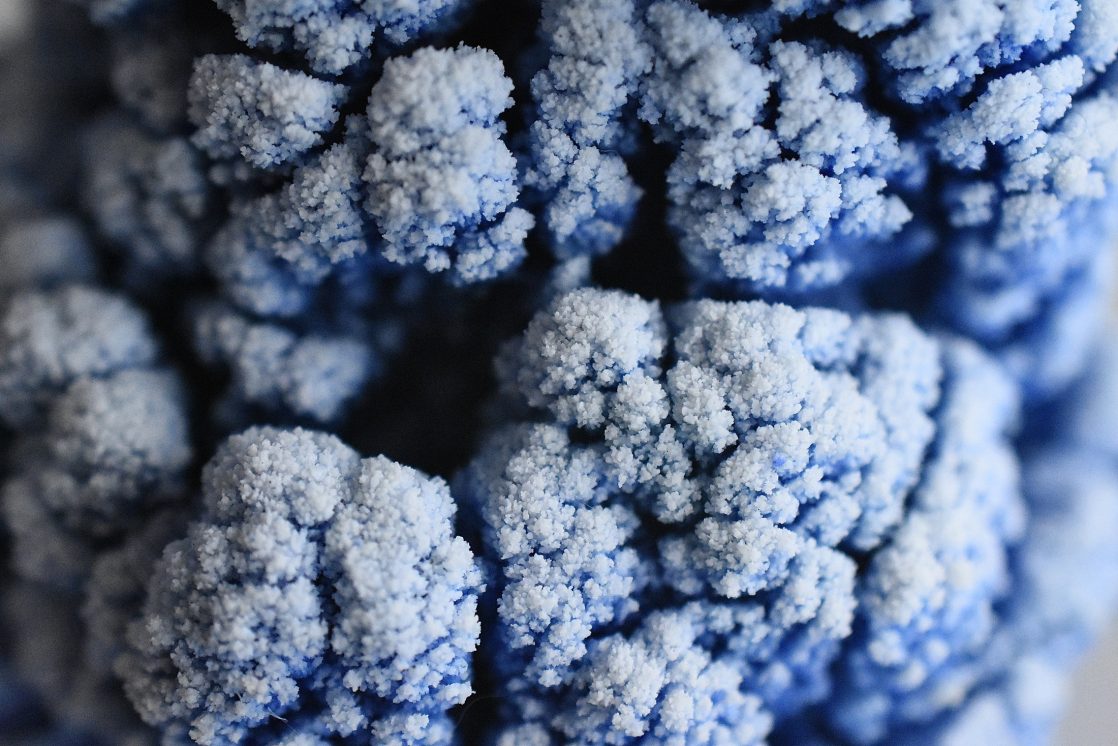
Most of my works are fired at approx. 1170°C. In the past, I repeatedly experimented with a range of higher temperatures, reaching around 1230°C, then gradually lowering it again after firing, or reheating pieces again at higher temperatures. Through these experiments, I became increasingly interested in how surfaces change through both heat and repetition.
One particularly important experience occurred when I repeatedly fired a piece at 1230°C. Afterwards, I found that the sprayed surface had flattened from the reflected heat of the kiln shelf. That failure led me to reconsider glaze composition, firing temperature and the structure of the surface itself.
Although no particular artist directly influenced my current technique, I first became interested in ceramics through the work of Makuzu Kōzan. He was appointed artist to the Japanese Imperial household and was one of the major potters of the Meiji Era (1868-1912). I have also long admired the painter Manabu Ikeda and the manga artist Daisuke Igarashi. Their dense imagery and the atmospheric feeling within their work may have influenced the world I am trying to create myself.
I am still unsure how viewers perceive my work. I hope they experience their own imagined worlds through it. Whether viewed from a distance or up close, I want the work to evoke sensations such as a quiet place, the scent of flowers, or a cold atmosphere. I hope viewers can move through the work using their memories and imagination.
Ceramic Review is the international magazine for contemporary and historical ceramics, ceramic art and pottery.
As a subscriber to the print magazine, you also get FREE access online to the entire Ceramic Review archive – going all the way back to our first issue in 1970. Digital subscriptions are online only.