X
Welcome to Ceramic Review
Ceramic Review is the magazine for contemporary and historical ceramics, ceramic art and pottery.
Ceramic Review Issue 340
July/August 2026
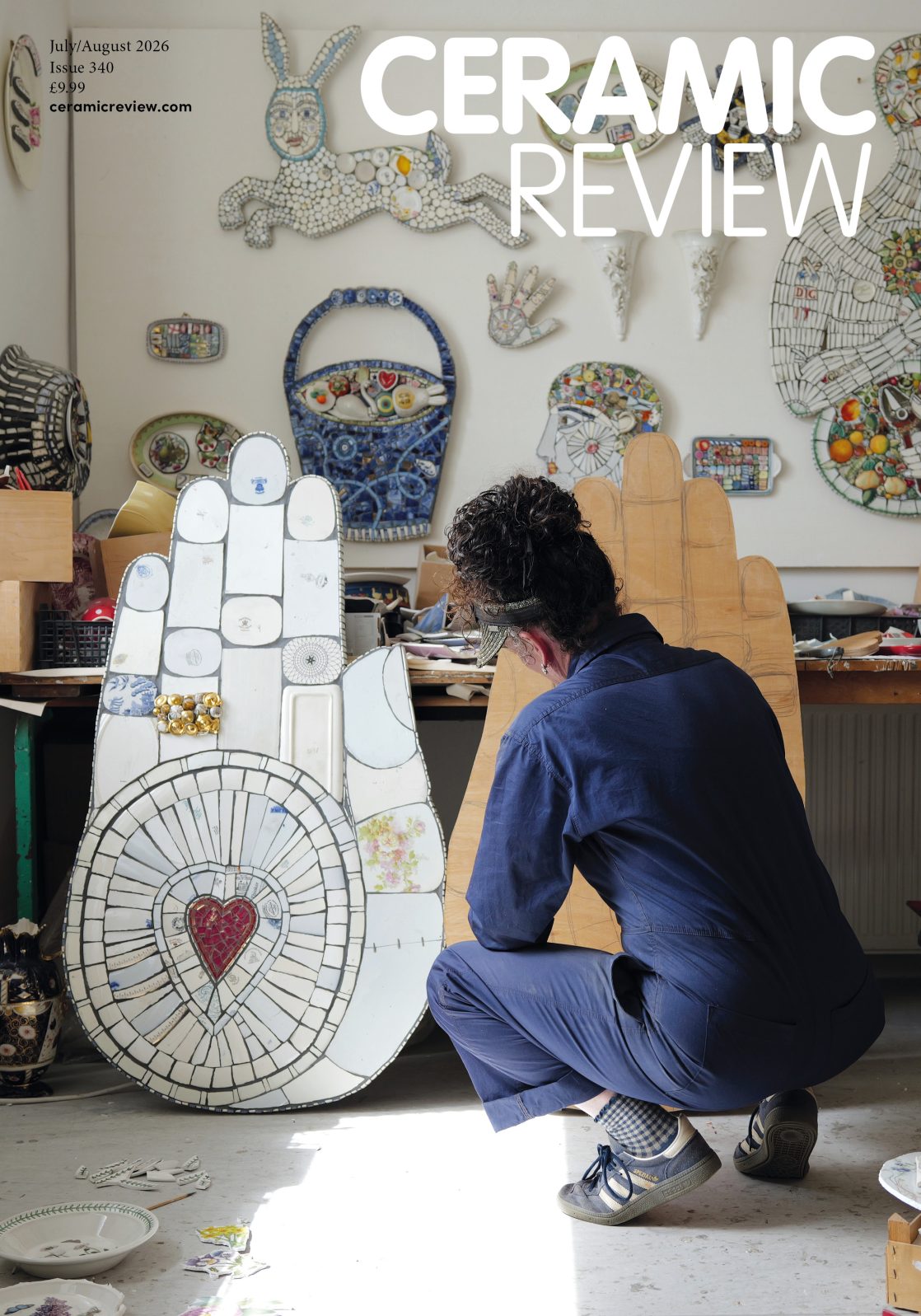
Ceramic Review is the magazine for contemporary and historical ceramics, ceramic art and pottery.
July/August 2026
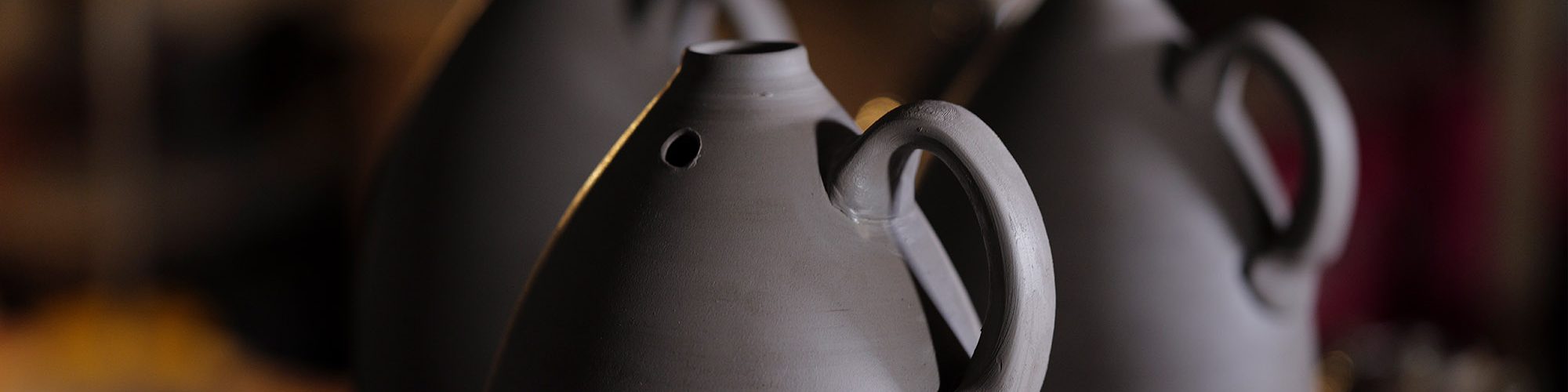
Ian Morrison takes us step-by-step through the processes he uses to create one of his favourite forms, a cider bottle
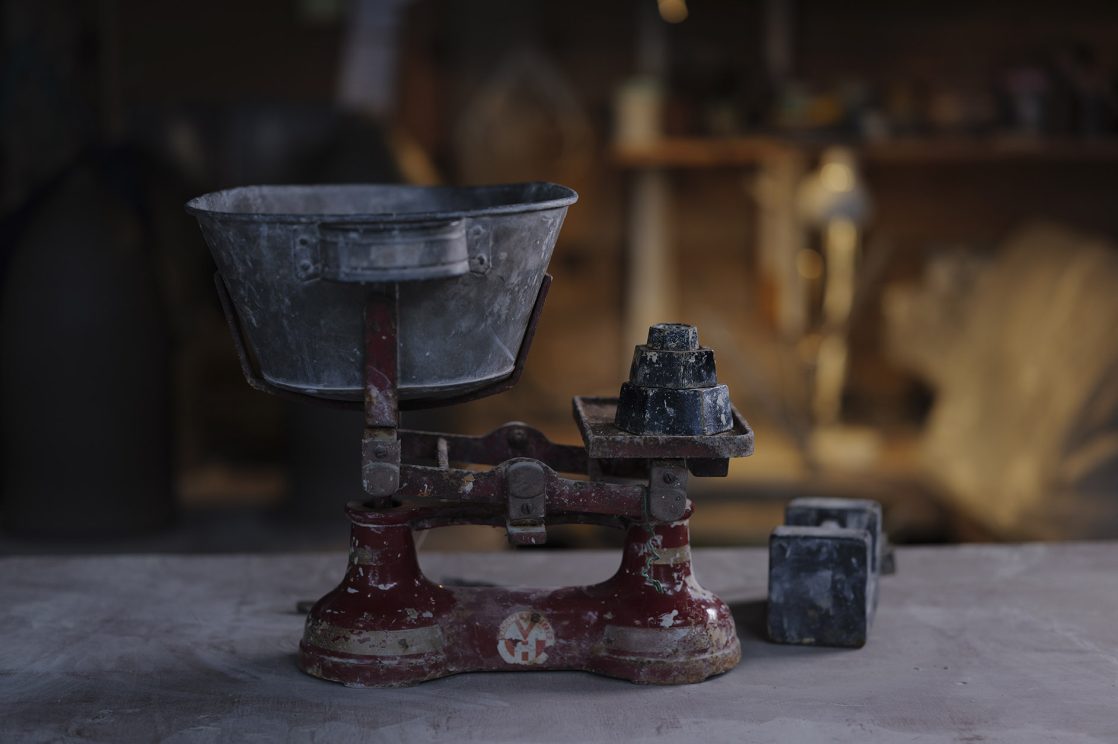
I grew up in middle America and must have been 10 or 11 years old when I made my first pinch-pot goblet that was raku-fired – I never looked back. I was lucky to have the opportunity to fire a reduction kiln in high school, aged 14. It inspired me to buy my first wheel and electric kiln when I was around 15 with money I saved from mowing lawns and gardening and by 16, I started selling my own pots.
At 19, I dropped out of art school and decided to travel to Jingdezhen in China. It was there that I met Jim Leedy, one of the pioneers of abstract expressionist ceramics. I met him in a bar one night and ended up working with him for around three years back in Kansas City. It was through Jim that I was directed towards Northern Arizona University, where he had helped build the Tozan kilns in 1982. I spent a year there wood-firing. I learnt a lot about kilns and atmospheric firing and think it was where I decided that my future was with salt-glaze.
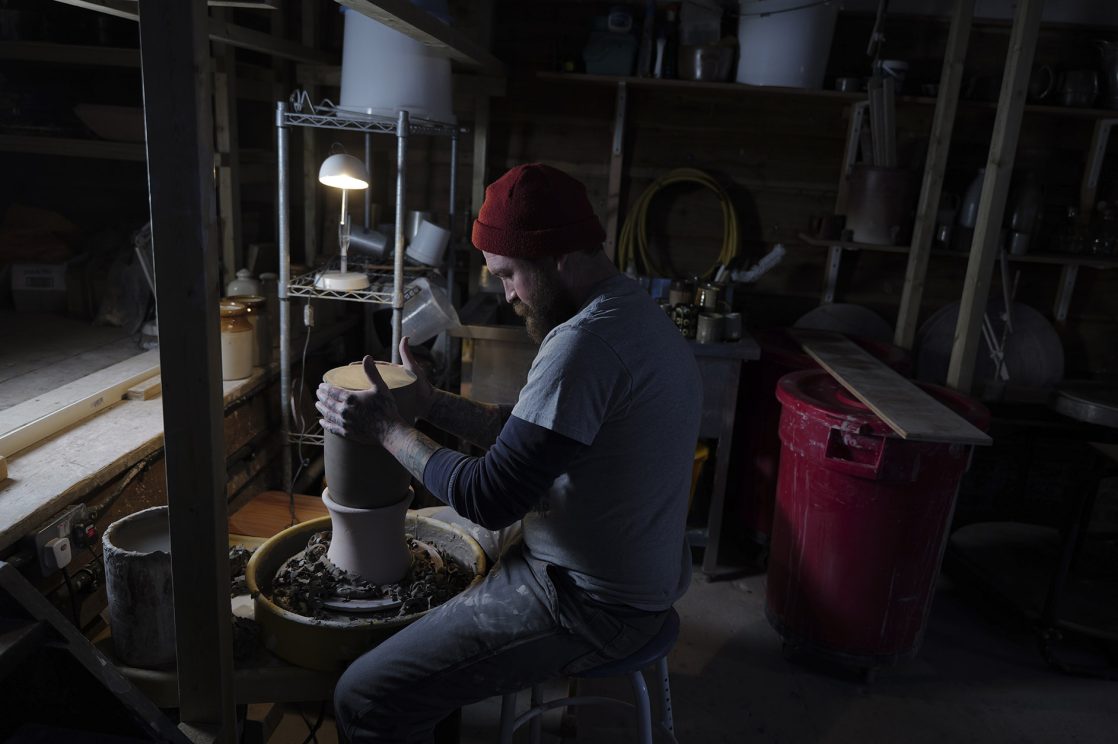
I then set up a pottery in Mountain Home, Arkansas, but in 2014, I got a call from the Leach Pottery in St Ives that changed my life. I left the Ozarks and spent a year at the Leach as a visiting potter. After that, I decided to make the UK my home, and in 2016, started Knighton Mill Pottery in Wiltshire, where I have spent the last ten years making salt-glazed stoneware.
My work is a contemporary interpretation of country pottery. I focus on line, surface and balance. I want my pots to convey an honesty about why and how they were made and for me, the salt-glazing process is a perfect application to achieve this.
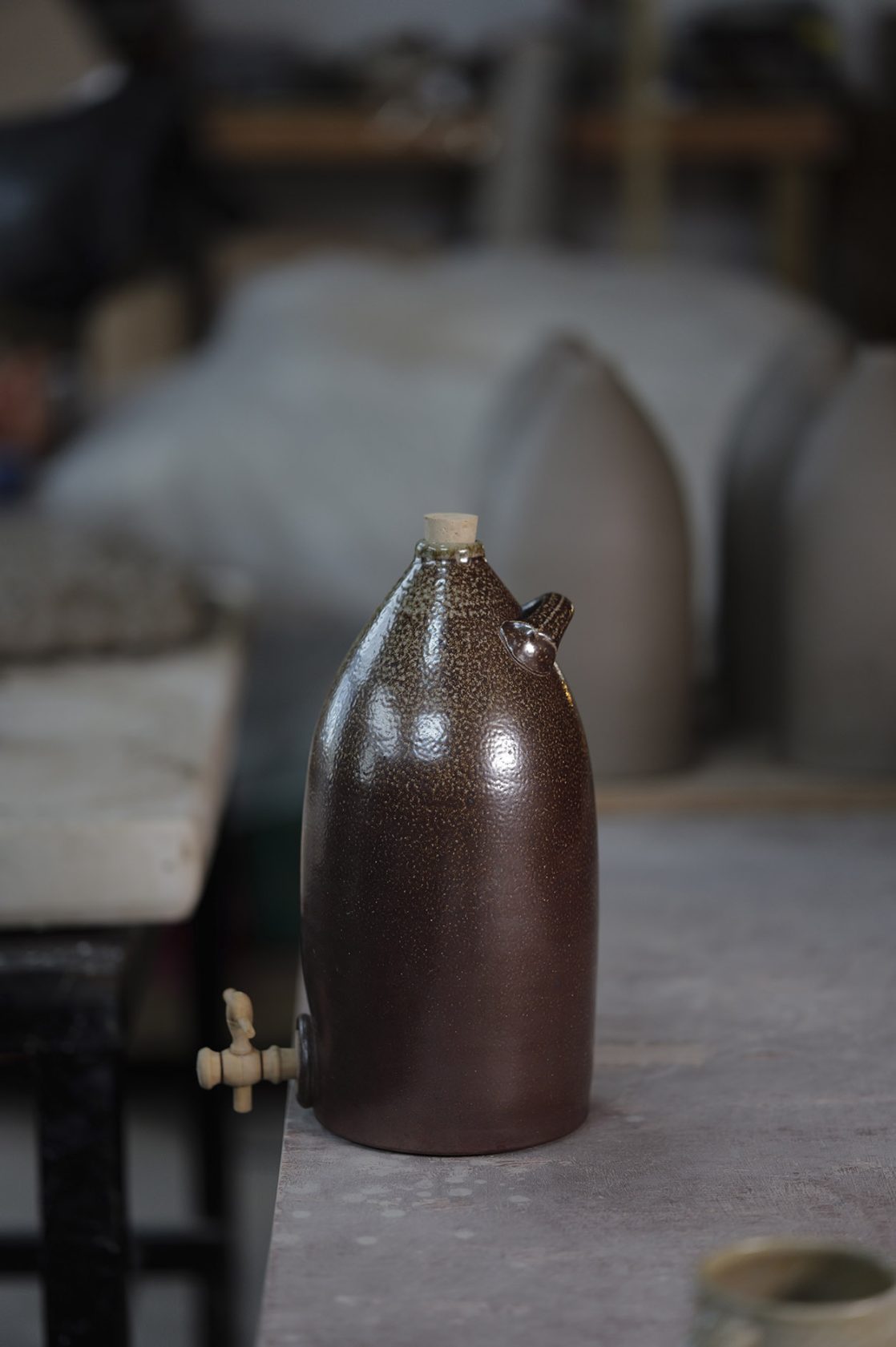
The pots, heavily salt-glazed, become incredibly tactile as well as showing my hand at work as the maker, not hiding but instead highlighting the subtle marks and fingerprints from handling in a tasteful way. This process allows me to make pots with subtle, clean lines that are very approachable and usable, while giving the work that extra durability that comes from the firing process.
I throw all my work on the wheel from stoneware clay that has been specially formulated to deal with the stress of salt-glazing. The work is lined with a wood ash glaze and gas-fired for 36-40 hours in a downdraught kiln I built myself. The long reduction cycle helps to develop the iron in the clay and provides good colour both in the clay and the liner glaze. I apply the salt glaze in phases, distributing the vapour directionally, utilising the strong downdraft and large chamber. This creates a varied surface around the form and achieves a vast range of subtle colour variations in each firing. Salt-glaze is tactile, durable and honest, which is what I want my work to convey.
In this masterclass, I will demonstrate how to throw and assemble one of my favourite forms, a cider bottle. The shape reminds me of a traditional American butter crock. I ferment my own cider using apples from a nearby orchard and am looking forward to taking a flagon of my homebrew with me when I visit my potter friends this summer. That’s the joy of handmade pots, just using them.
For more details visit knightonmillpottery.com
Subscribe to read the full step-by-step guide.
Ceramic Review is the international magazine for contemporary and historical ceramics, ceramic art and pottery.
As a subscriber to the print magazine, you also get FREE access online to the entire Ceramic Review archive – going all the way back to our first issue in 1970. Digital subscriptions are online only.