X
Welcome to Ceramic Review
Ceramic Review is the magazine for contemporary and historical ceramics, ceramic art and pottery.
Ceramic Review Issue 340
July/August 2026
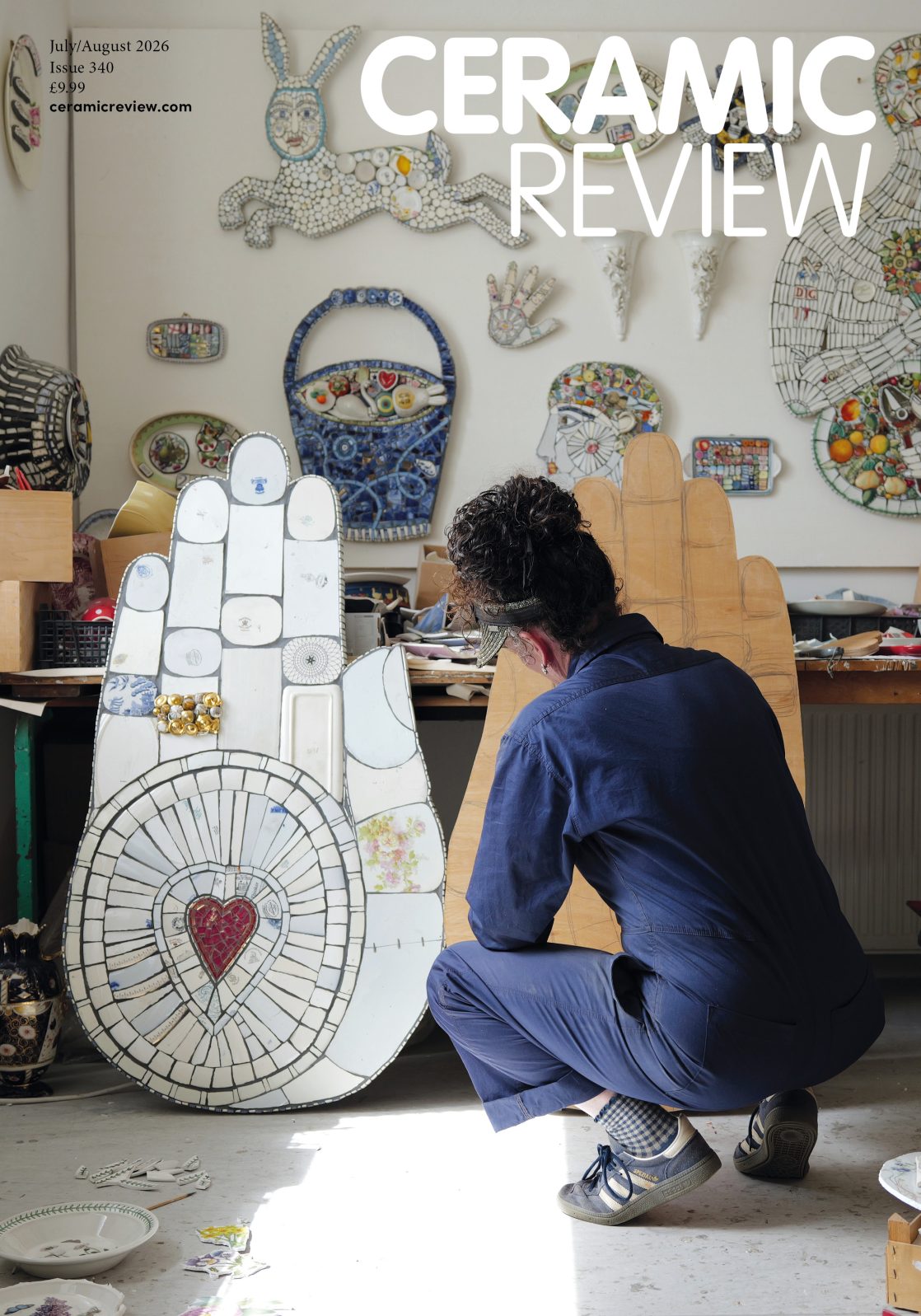
Ceramic Review is the magazine for contemporary and historical ceramics, ceramic art and pottery.
July/August 2026
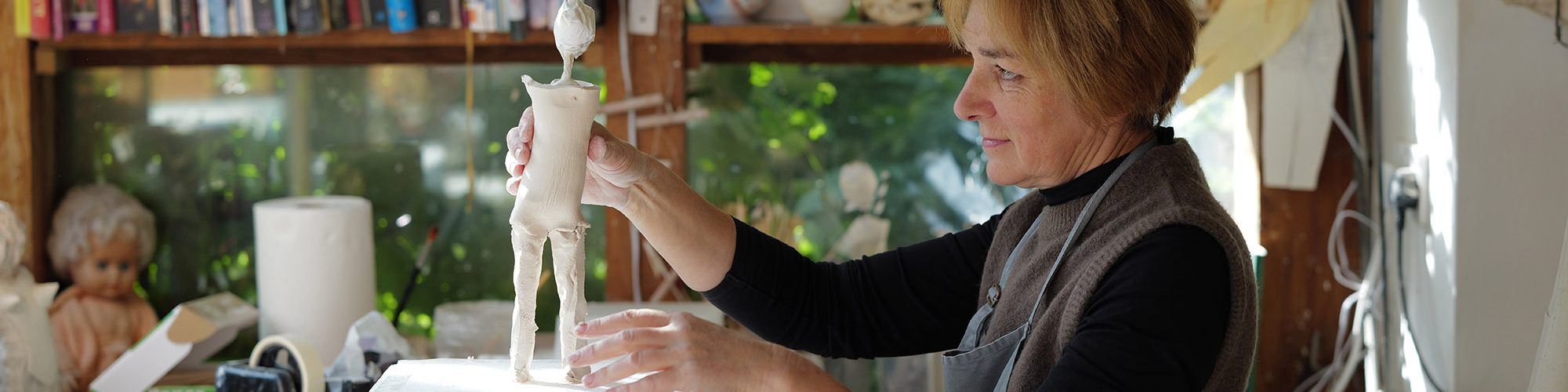
Jemma Gowland guides us through the processes she uses to create her rebellious figurines
As with many makers, I arrived at ceramics later in life, having first trained in Engineering Product Design. I worked in freelance industrial design and architectural model-making before becoming a teacher of Design and Technology, a career I followed for many years. It provided me with experience in making using a broad range of materials. Ceramics became first a hobby and then a full-time occupation when I left teaching in 2014.
I am very lucky to have a studio in the Kent countryside, which I share with a number of animals such as dogs, bantams and two miniature donkeys. In this location, it seemed inevitable that my initial work was centred on making animals and birds, culminating in an extended artist’s residency at a bird park. This involved sculpting from life, whilst demonstrating and discussing with visitors, raising awareness around endangered species.
From this point other possibilities opened and my work featured in several galleries and exhibitions in the southeast of England. The deepening interest in the possibilities of ceramics led to further study, culminating in a City Lit Ceramics Diploma, London, graduating in 2019.
Being a mother and daughter, as well as having been a woman working in a male field, led me to an examination of the role of the female and how societal norms still shape the way children are raised.
My current work draws on the traditional history of the figurine, from Meissen to the present; echoing the pure white unglazed porcelain, often with gold lustre to highlight the statement of the piece. Current themes build on this tradition, with its symbolism of the female figure as ornament and object, to highlight issues of growing up female in the modern world. Some rebellion and attitude often intrude; the traditional figurines may have presented the female as an object to simply look pretty, but my figures (‘the girls’) take a different stance.
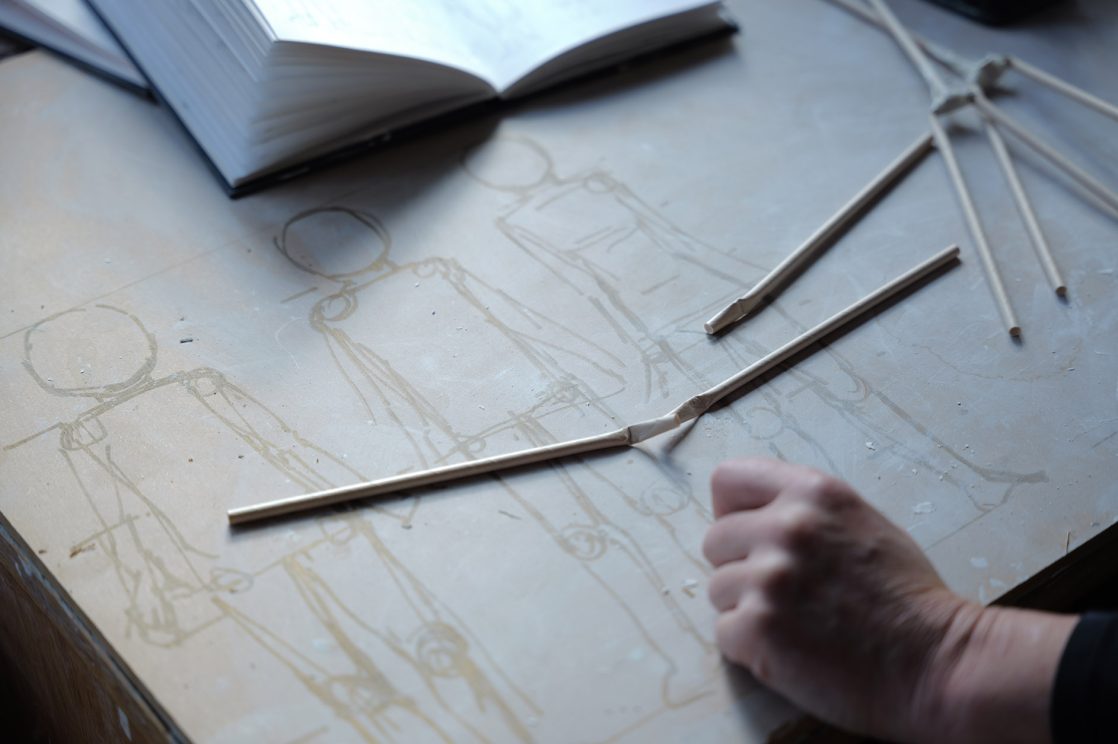
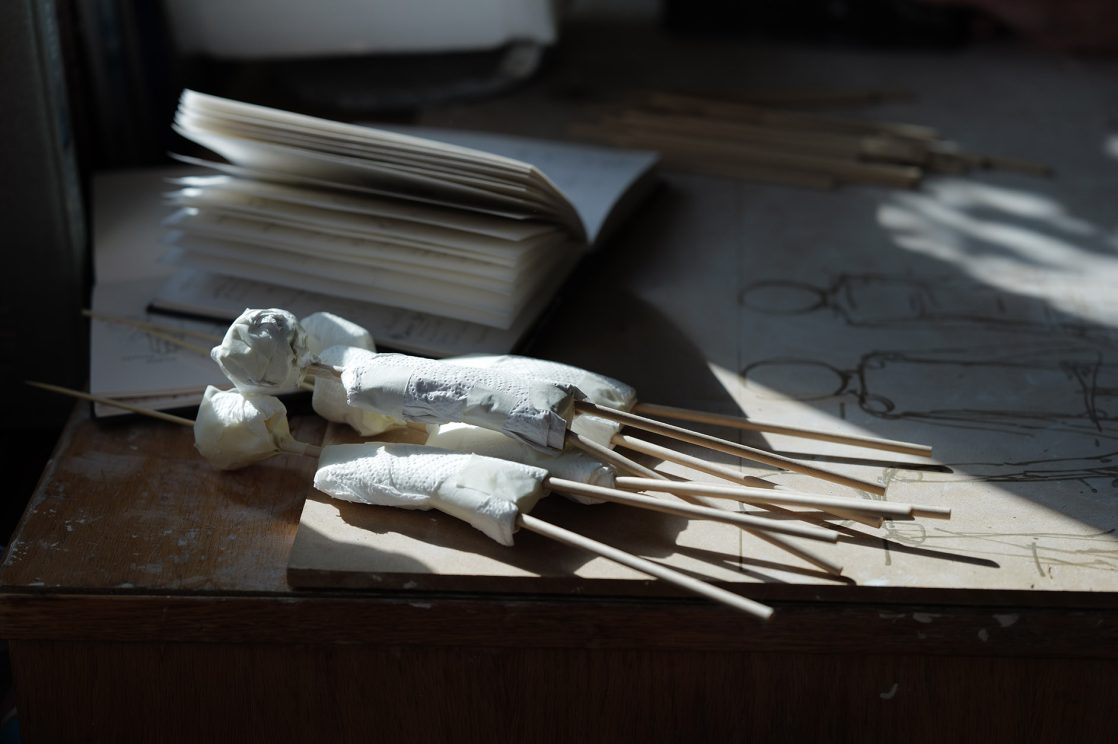
To enable stance and character to be adjusted to create the narrative of each piece, I have spent a lot of time developing my building technique. Creating a central armature means that there is no need to hollow out when leatherhard as the paper simply burns away in the kiln. Once I have the basic figure with the right proportions, I can adjust the stance before leaving the piece to harden slightly before adding details.
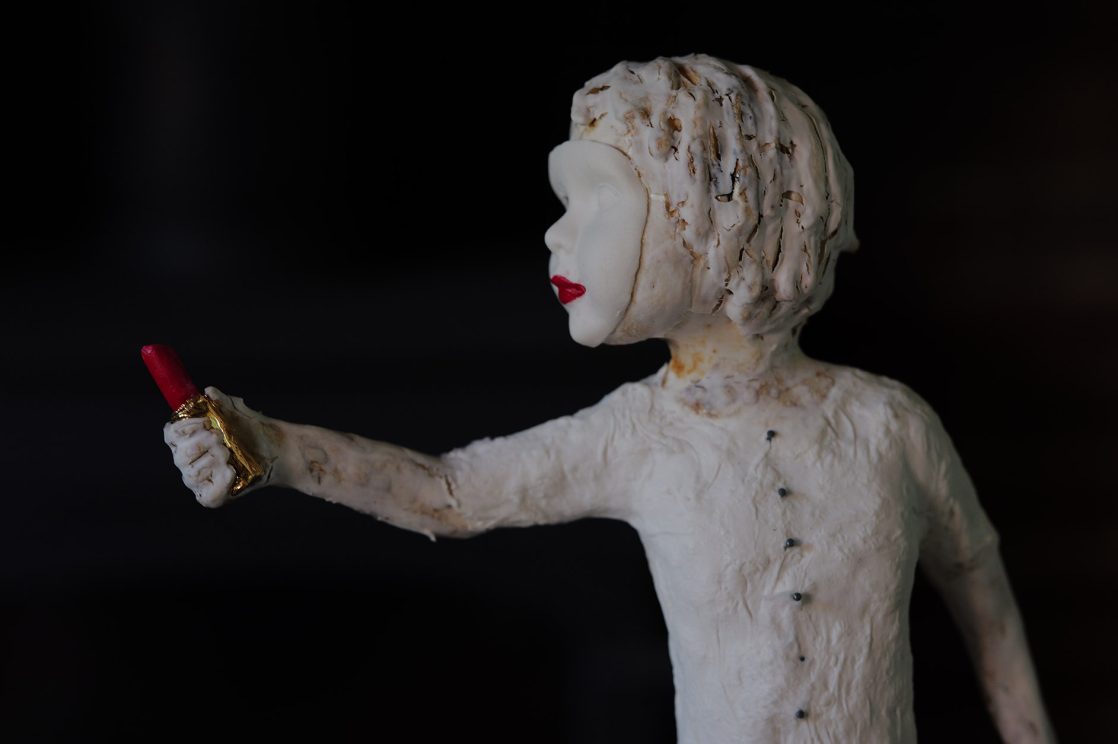
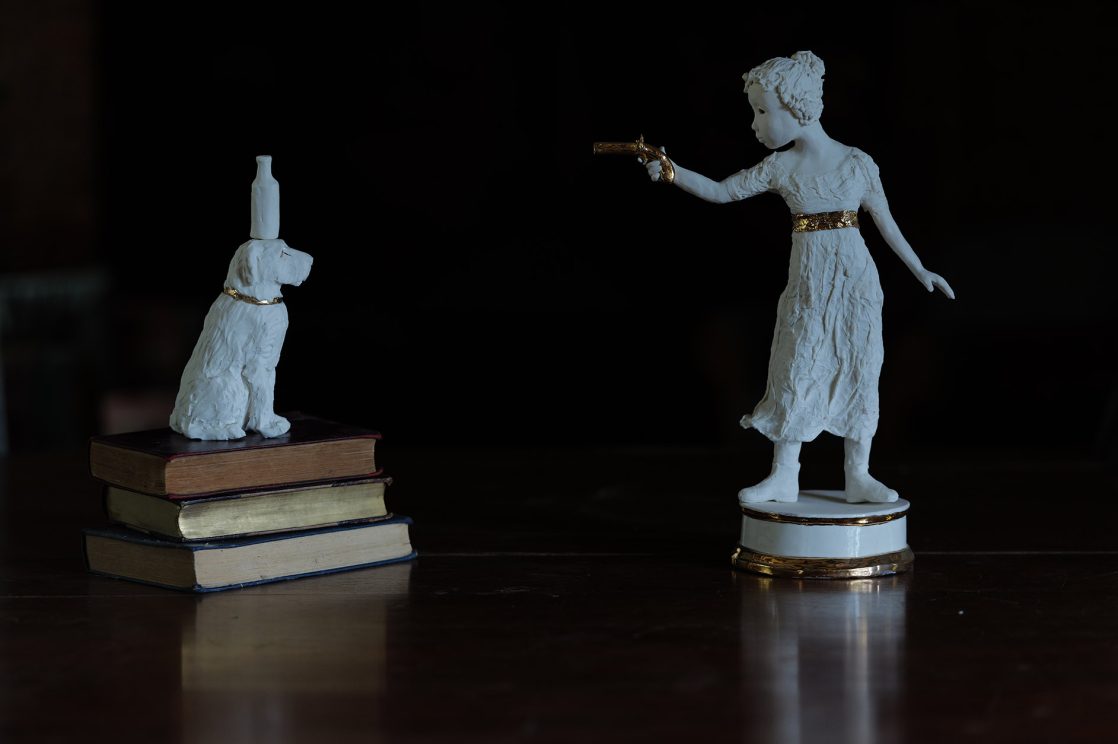
Building the figures upright means that it is easier to judge proportions. This method also gives the ability to view the figure from all sides, and indeed to leave it until the next day before finally settling on the finished position. Fresh eyes on another day are always useful.
In this masterclass I aim to show you the basic figure method – I am keen to see what diverse ideas and results can come from it. A figure tells a narrative, so I let it tell
a particular story.
For more details visit jgowland.com; @jemma.gowland
Subscribe to read the full step-by-step guide.
Ceramic Review is the international magazine for contemporary and historical ceramics, ceramic art and pottery.
As a subscriber to the print magazine, you also get FREE access online to the entire Ceramic Review archive – going all the way back to our first issue in 1970. Digital subscriptions are online only.