X
Welcome to Ceramic Review
Ceramic Review is the magazine for contemporary and historical ceramics, ceramic art and pottery.
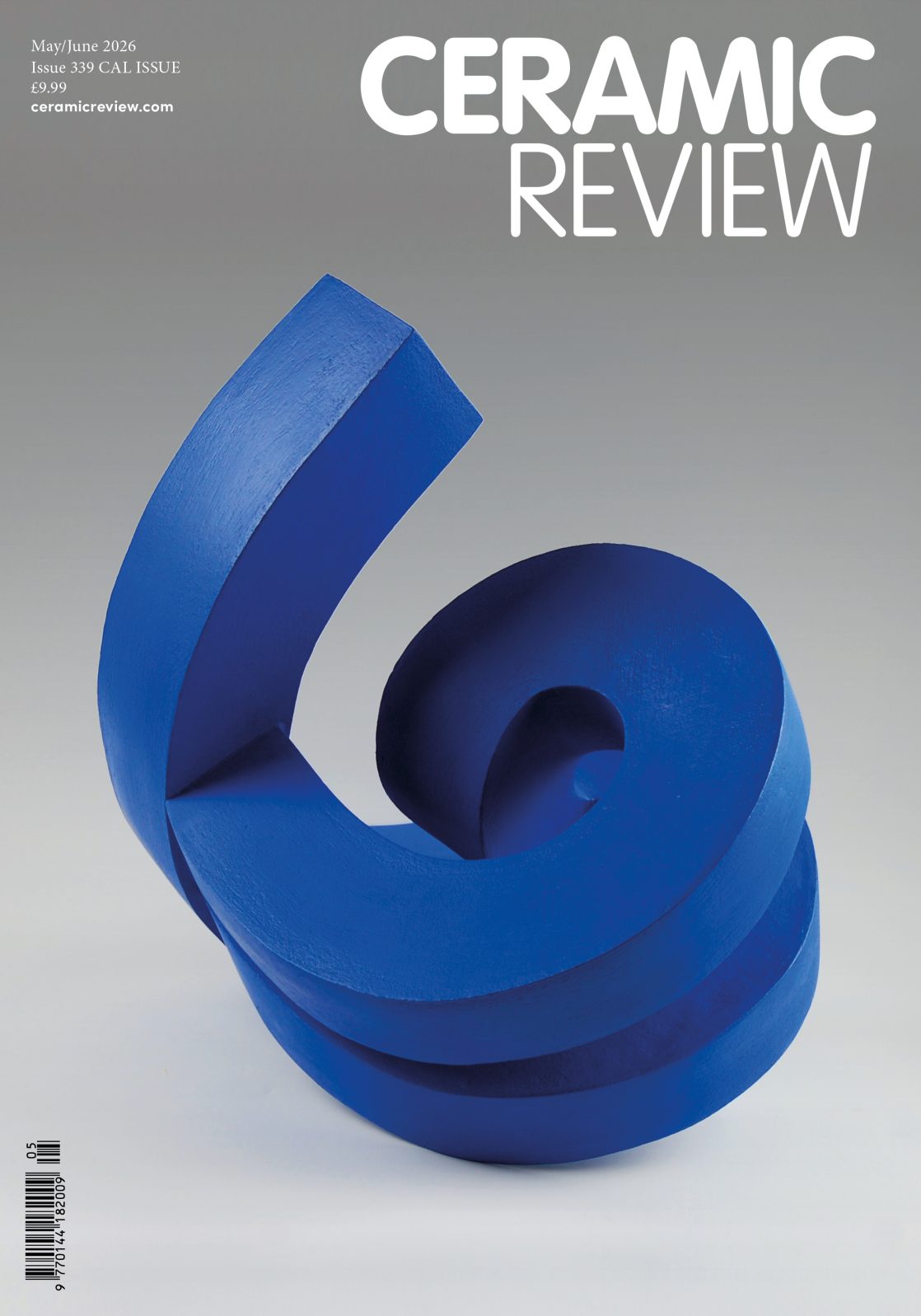
Ceramic Review Issue 339
May/June 2026
Ceramic Review is the magazine for contemporary and historical ceramics, ceramic art and pottery.
May/June 2026
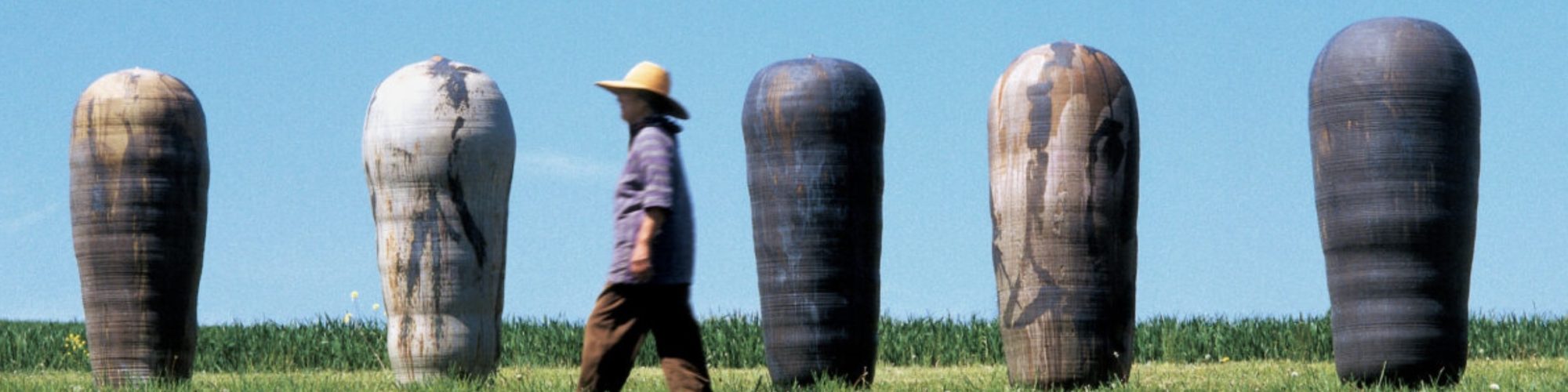
Sunday 8 March 2026 was International Women’s Day which coincided with this year’s York Ceramics Fair, organised by the Craft Potters Association. To mark the occasion, the event catalogue featured an article by Isabella Smith celebrating the contributions of women to the ceramic world.
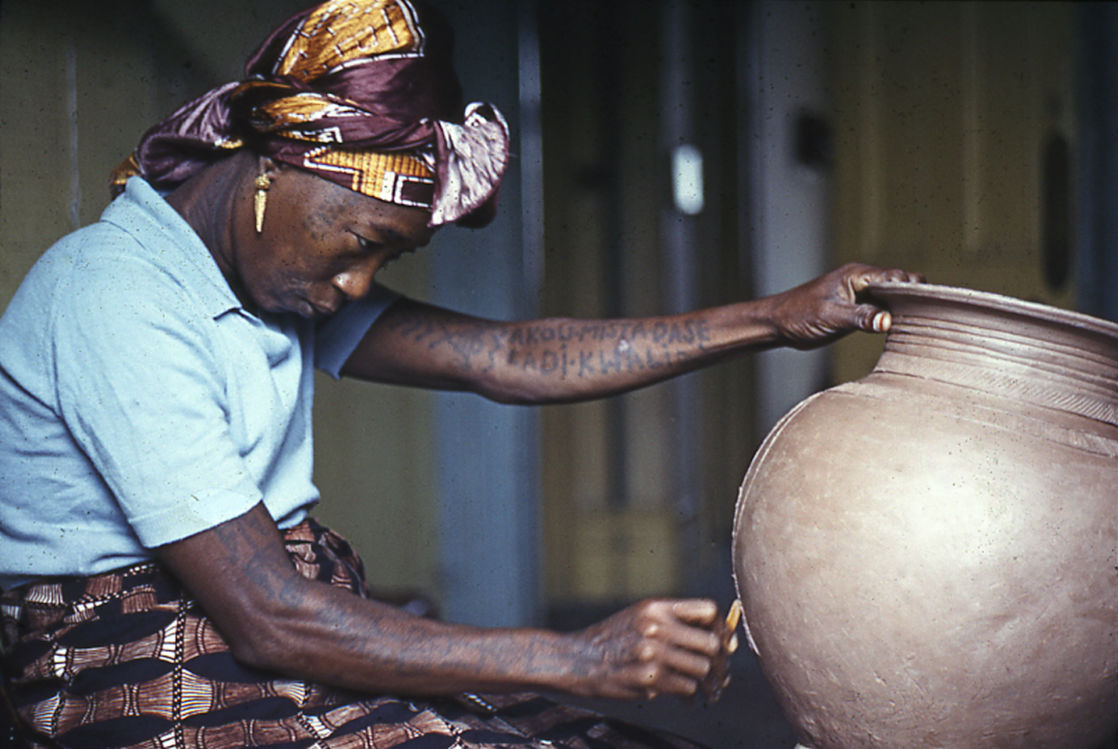
Photograph of Ladi Kwali taken by W.A. Ismay. Image courtesy of York Museums Trust (York Art Gallery)
The idea for such an annual celebration came about in the 1910s, before women in Britain had yet won the right to vote. At the same time as the battle for suffrage, a quiet revolution was taking place in the nation’s visual arts. This was the emergence of some of the first craftspeople we can describe as ‘studio potters’: individuals working alone or in a small group on many – or even all – of the stages of ceramic production.
The world of studio pottery has had women at its core from its inception. Early innovators pioneered processes and techniques and developed equipment that would enable potters to work alone in a small workshop, rather than in teams in an industrial setting. At the same time, critics were making the case for considering ceramics on an equal footing with fine art. Why should a vase be any less worthy of attention than a sculpture?
This International Women’s Day, coming as it does on the heels of York Ceramics Fair, offers a moment to celebrate some of the world’s most important women potters. One of the most universally revered is Lucie Rie (1902–95), who learnt her trade in Vienna in the early 1920s. Born to a Jewish family, she escaped Nazi-occupied Austria in 1938 and spent the rest of her life potting in a modest garage-turned- workshop in London. Today, the late potter is a darling of the auction world, with her slender-footed bowls, vases with vertiginously flared rims and elegant tableware regularly reaching record prices.
At the time Rie was establishing herself in Britain, in colonial Nigeria Ladi Kwali (1925–84) was creating pots ornately decorated with incised designs. In the 1950s, she combined the Indigenous Gbari tradition of hand-building large, globe- shaped water pots with the Western techniques she learnt at the Abuja Pottery, founded by the English potter Michael Cardew. Her work too is increasingly sought after today.
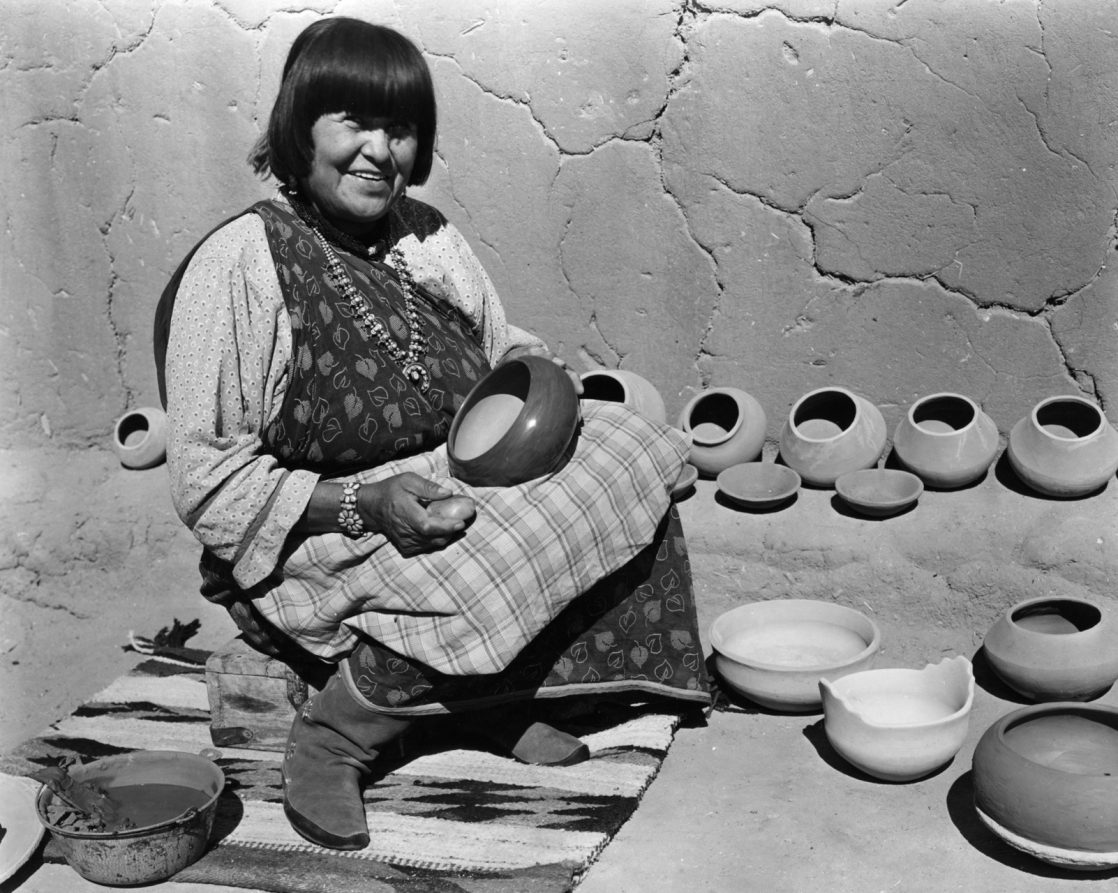
In the United States, Maria Martinez (1887–1980) was combining Western and Indigenous ceramic traditions. Martinez, who was born to the Pueblo peoples of the southwest, created highly burnished vessels with black-on-black designs. Both techniques and aesthetic were inspired by the work of the ancient Pueblo peoples, while remaining distinctly modern. The Hawaiian-born ceramicist of Japanese descent Toshiko Takaezu (1922–2011) was also creating a hybrid art: thrown forms with just a vestigial small opening and expressive painterly surfaces. Takaezu was as inspired by the Mingei movement, which she absorbed during travels in Japan, as by the gestural paintings of the American Abstract Expressionists of the 1950s.
In the UK, ceramicists in the 1970s were likewise looking to fine art. A group educated at the Royal College of Art in London began making work with much in common with Pop Art and other post-modern movements. Carol McNicoll (1943–2025) made vases that appear to unspool like a reel of ribbon and teasets that look as if they have been formed from crumpled paper, while Elizabeth Fritsch (b. 1940) was inspired by jazz improvisations and the visual puzzles of MC Escher to create vessels with dizzyingly illusionistic decoration.
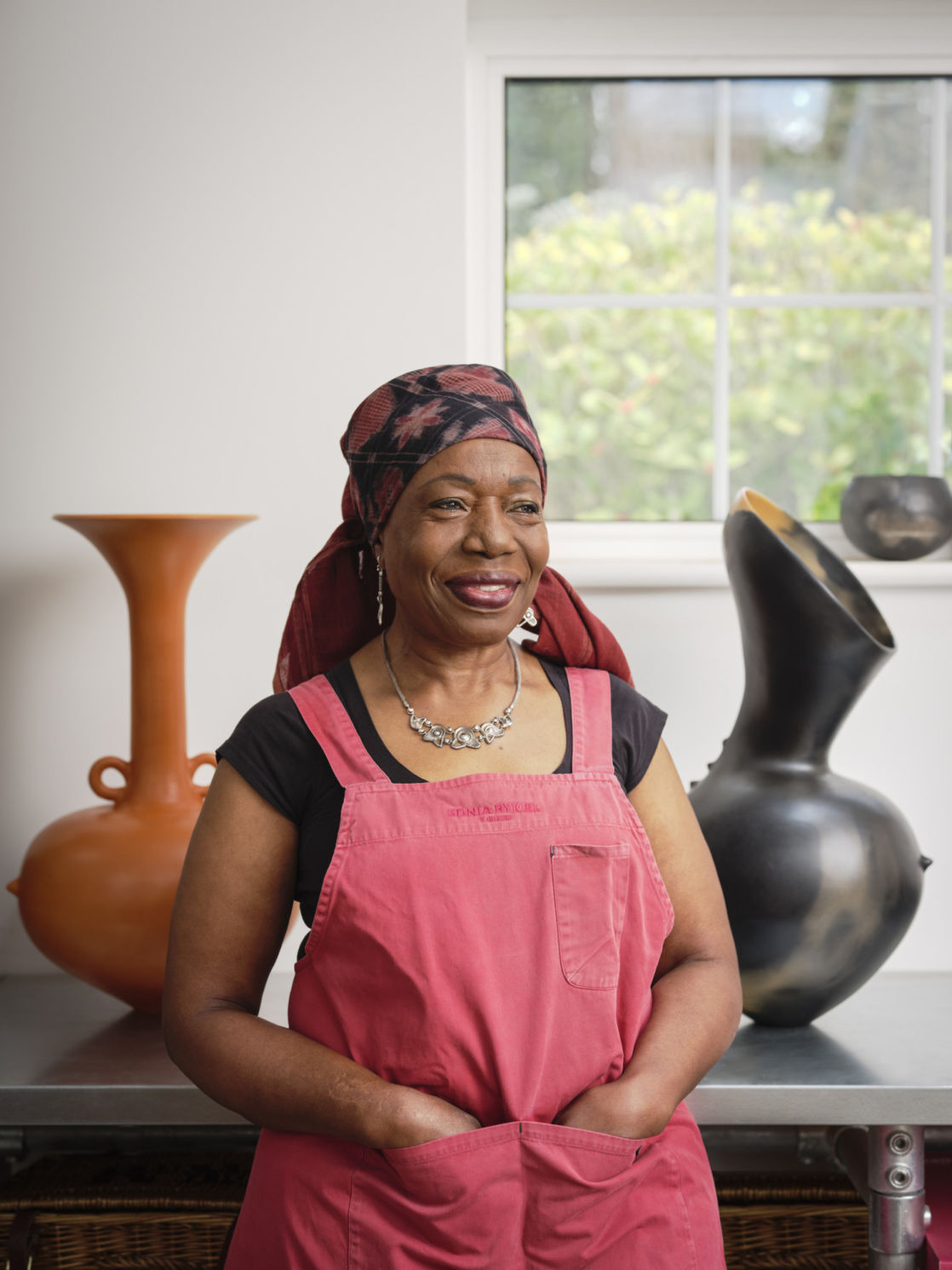
Magdalene Odundo by Cristian Barnett
By the 1990s, a new direction in ceramic art in Britain saw a renewed focus on the vessel form without the visual games or witty references of the 1970s and ’80s. Jennifer Lee (b. 1956) was creating coiled pots with a quiet presence, built up from earth-toned clays and left unglazed, adorned only by the sedimentary-looking layers of their formation. Magdalene Odundo (b. 1950) became one of the world’s most esteemed ceramic artists for her burnished sculptural vessels that subtly allude to the human form.
Today, these women are among those whose work populates gallery booths at international art fairs, whose pots are highly prized by wealthy collectors. Yet beyond this handful of familiar figures lie myriad potters, past and present, working in diverse regions across the globe. One barrier to exploring such riches is language. The global ubiquity of English is a blessing and a curse, leaving those of us in the Anglosphere to risk unconsciously assuming that if something hasn’t been covered in English-language media, it either doesn’t exist or wasn’t worth translating.
Some are obscure because their talents were funnelled towards the important work of teaching or of technical development, rather than the more glamorous business of making standalone objects. Such is the case for the pioneering early potter Dora Billington (1890–1968), who is today best remembered for her influence as a teacher at London’s Central School of Arts & Crafts in the 1920s. In Jennifer Lucy Allan’s recent book Clay: A Human History, she discusses the Indian potter Nirmala Patwardhan (1928–2008), who devoted her significant talents to glaze development. Allan recounts how Patwardhan’s labour is implicit in the glazed surfaces of renowned pots by Bernard Leach, Ray Finch and others, yet her reputation – and her own pieces – remain far less visible.
Others have split their energies between working as ceramic artists and meeting the urgent needs of their moment. Among them is the Jerusalem-born Vera Tamari (b. 1945), who alongside making ceramic sculptures and installation art has also founded a museum, an artists’ association, and taught Islamic art history, determined to protect and develop Palestinian art and culture. Others are today obscure for reasons of personal tragedy. Such is the case for Bonnie Ntshalintshali (1967–99), a South African ceramicist whose folkloric storytelling sculptures of people and animals were so prized they earnt a place at the 1993 Venice Biennale, yet whose death aged 32 from HIV/AIDS-related illness ended a promising international career. Such figures might not come to our attention here in Britain without applying a little of our own curiosity and effort.