X
Welcome to Ceramic Review
Ceramic Review is the magazine for contemporary and historical ceramics, ceramic art and pottery.
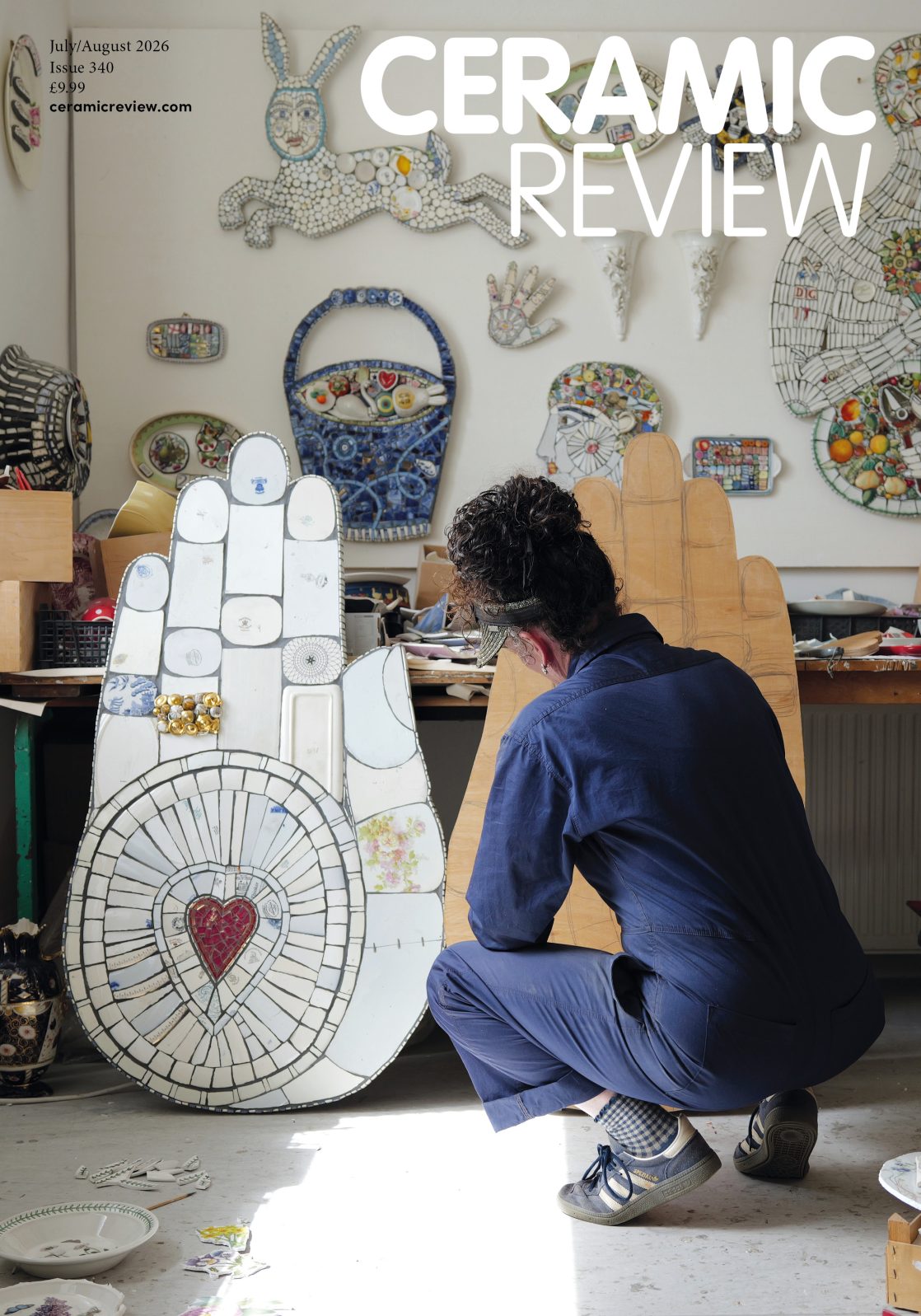
Ceramic Review Issue 340
July/August 2026
Ceramic Review is the magazine for contemporary and historical ceramics, ceramic art and pottery.
July/August 2026
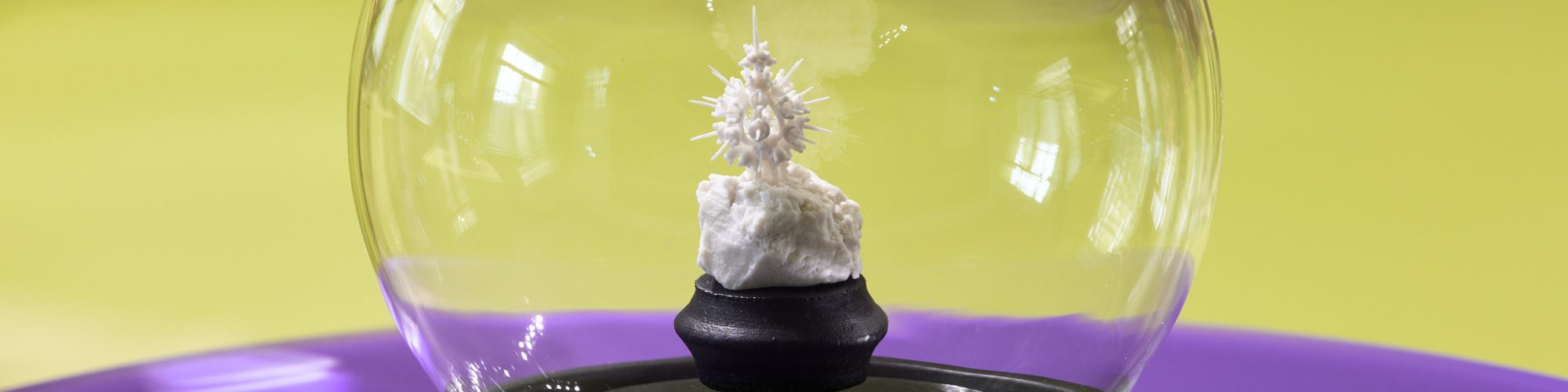
Anisio Veloso reviews the latest exhibition at County Hall Pottery, London
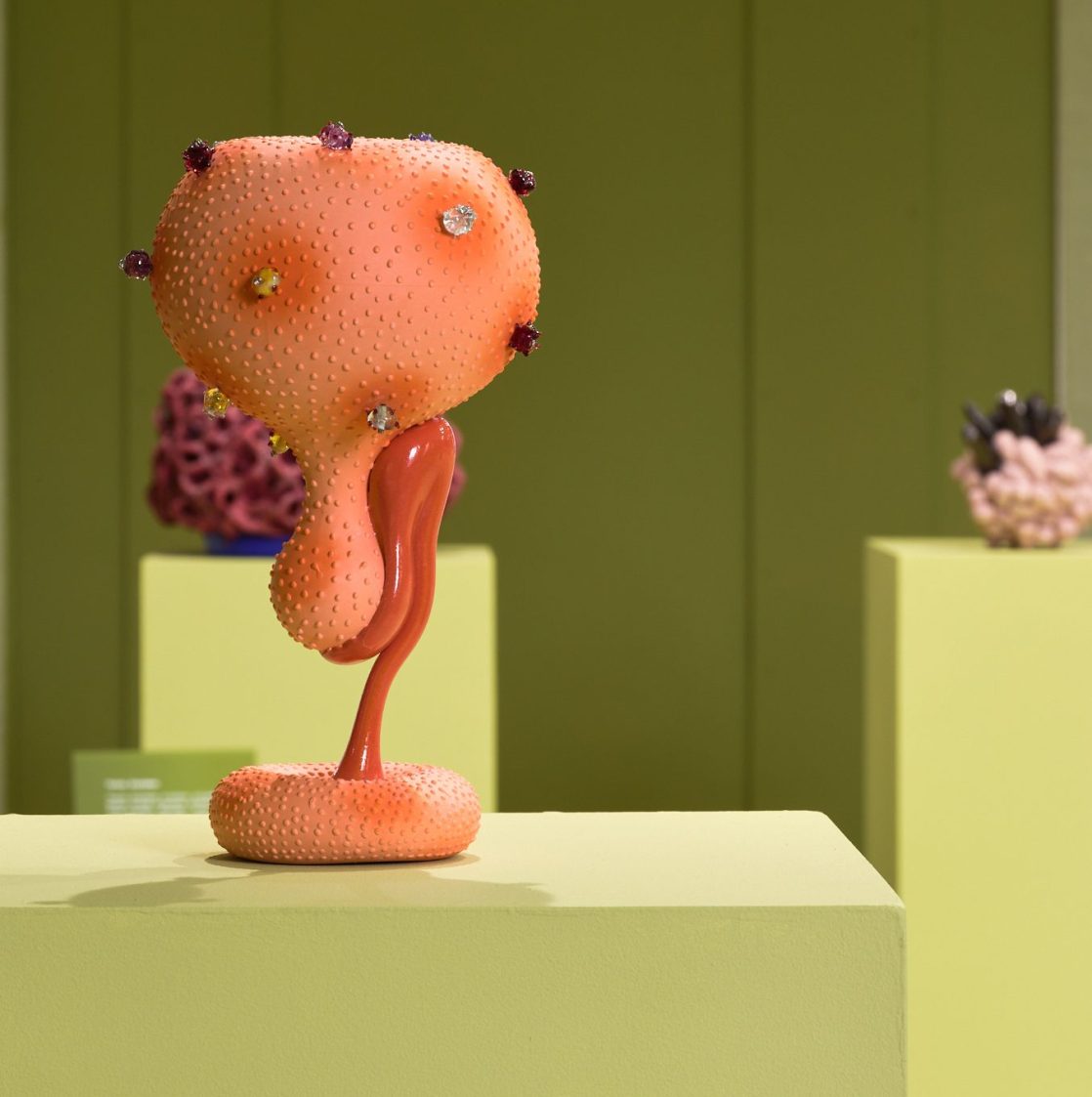
2126: A Ceramic Odyssey, 17 March - 3 May 2026, County Hall Pottery, London, UK
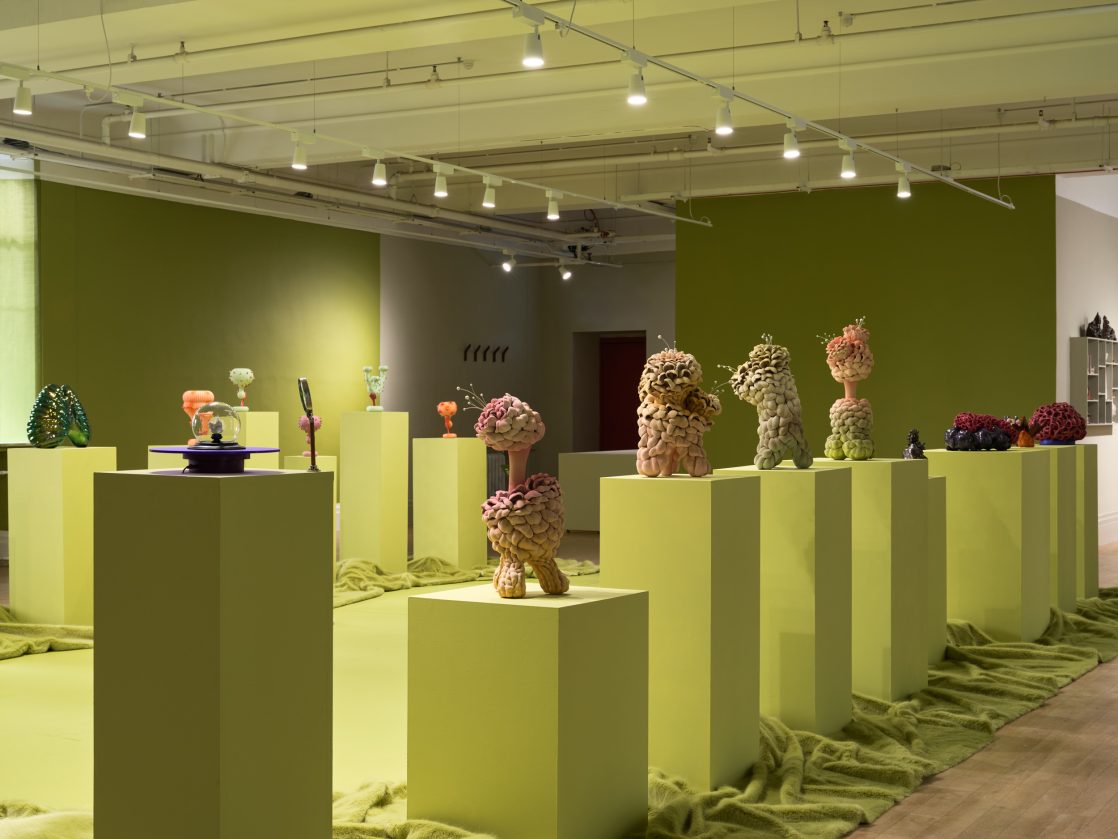
At County Hall Pottery, 2126: A Ceramic Odyssey begins from a speculative question that is easy to phrase and difficult to answer well: what might ceramics become a century from now? Curated by Jihyun Kim and shown in London from 17 March to 3 May 2026, the exhibition gathers Jihyun Kim, Toni Losey, Uriel Caspi, Tessa Eastman, and Eiair (Hassakorn Hirunsirichoke) around the language of bio-futurism, imagining a future in which human ingenuity, living organisms, and material intelligence are deeply intertwined.
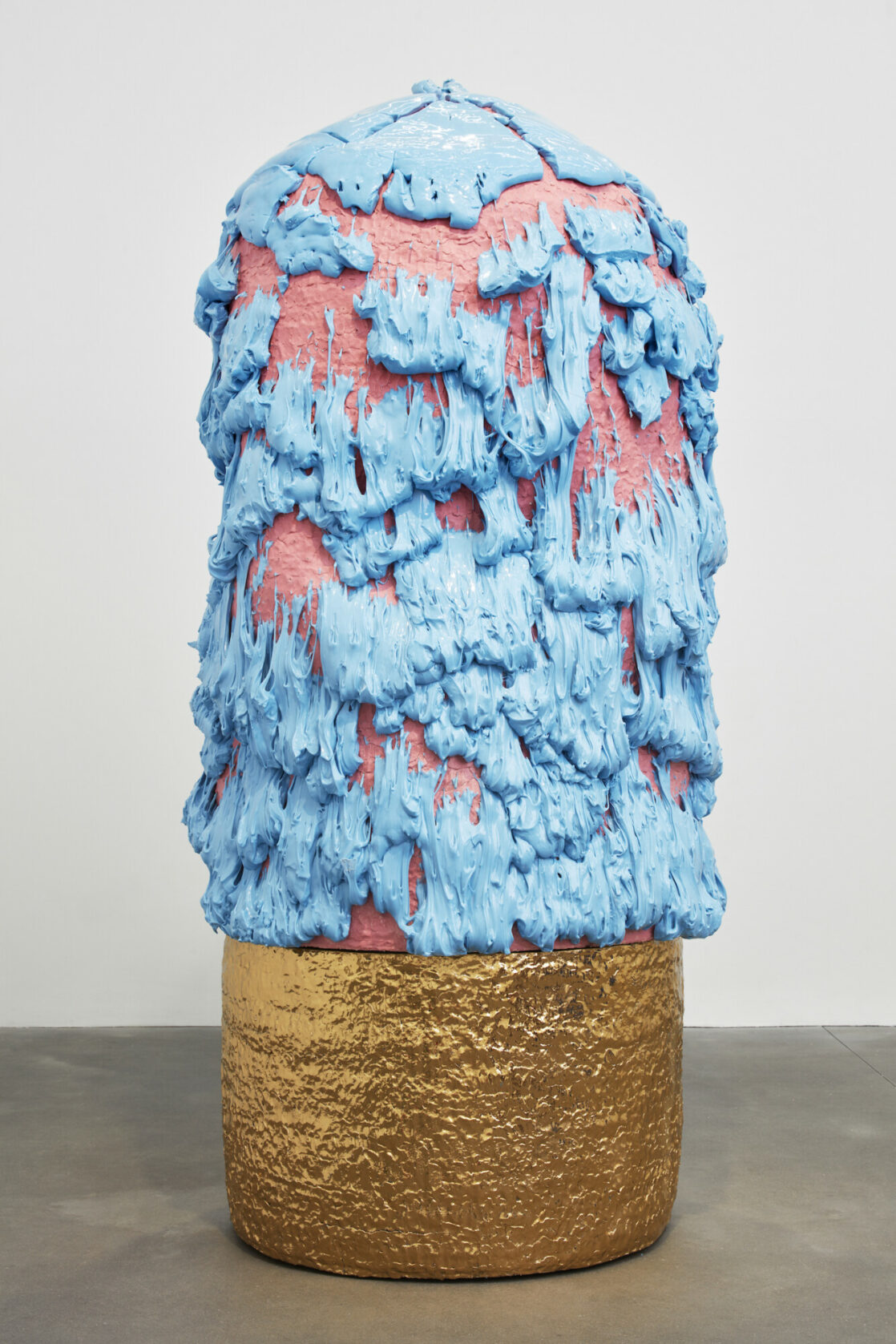
It is the kind of curatorial premise that could easily become inflated. Yet 2126 works because it does not mistake speculation for vagueness. The exhibition is less interested in a cinematic vision of the future than in asking what clay might look like if it were understood as part of an evolving ecology rather than as a static craft object. The forms here appear otherworldly, certainly, but their strangeness remains rooted in ceramic logic: growth, accretion, surface mutation, the uncertainty of process, the unstable boundary between vessel and organism.
2126: A Ceramic Odyssey, 17 March - 3 May 2026, County Hall Pottery, London, UK
That is where the show finds its strongest ground. Clay has always been a material of transformation, but contemporary ceramics often remains caught between two familiar narratives: craft as tradition, or sculpture as transgression of that tradition. 2126 suggests a different route. It treats ceramics as a future-facing medium precisely because it is so materially alive. Clay changes state. It records handling. It responds to time, pressure, chemistry, and heat. In that sense, it already behaves less like inert matter than like a system.
Jihyun Kim sets the exhibition’s tone effectively. Her practice, as described by the gallery, blends sculptural and functional elements, drawing from heritage and nature’s ‘mystical aspects,’ and her curatorial framing allows the exhibition to retain openness without becoming diffuse. There is no single house style here, but there is a coherent atmosphere: one of post-natural growth, speculative ecology, and forms that seem to hover between life and artefact.
2126: A Ceramic Odyssey, 17 March - 3 May 2026, County Hall Pottery, London, UK
Eiair’s work appears especially important in establishing that atmosphere. His painstaking creature forms, assembled from countless tiny elements, seem to speak of fragility through proliferation. They suggest that the future may not be sleek or mechanical, but dense, vulnerable, proliferating, almost microbial in its complexity. What is persuasive in such work is that it does not merely illustrate fantasy creatures. It makes visible the labour of accretion itself. One senses not invention for its own sake, but a serious engagement with how form might behave if it followed biological rather than purely formal logic.
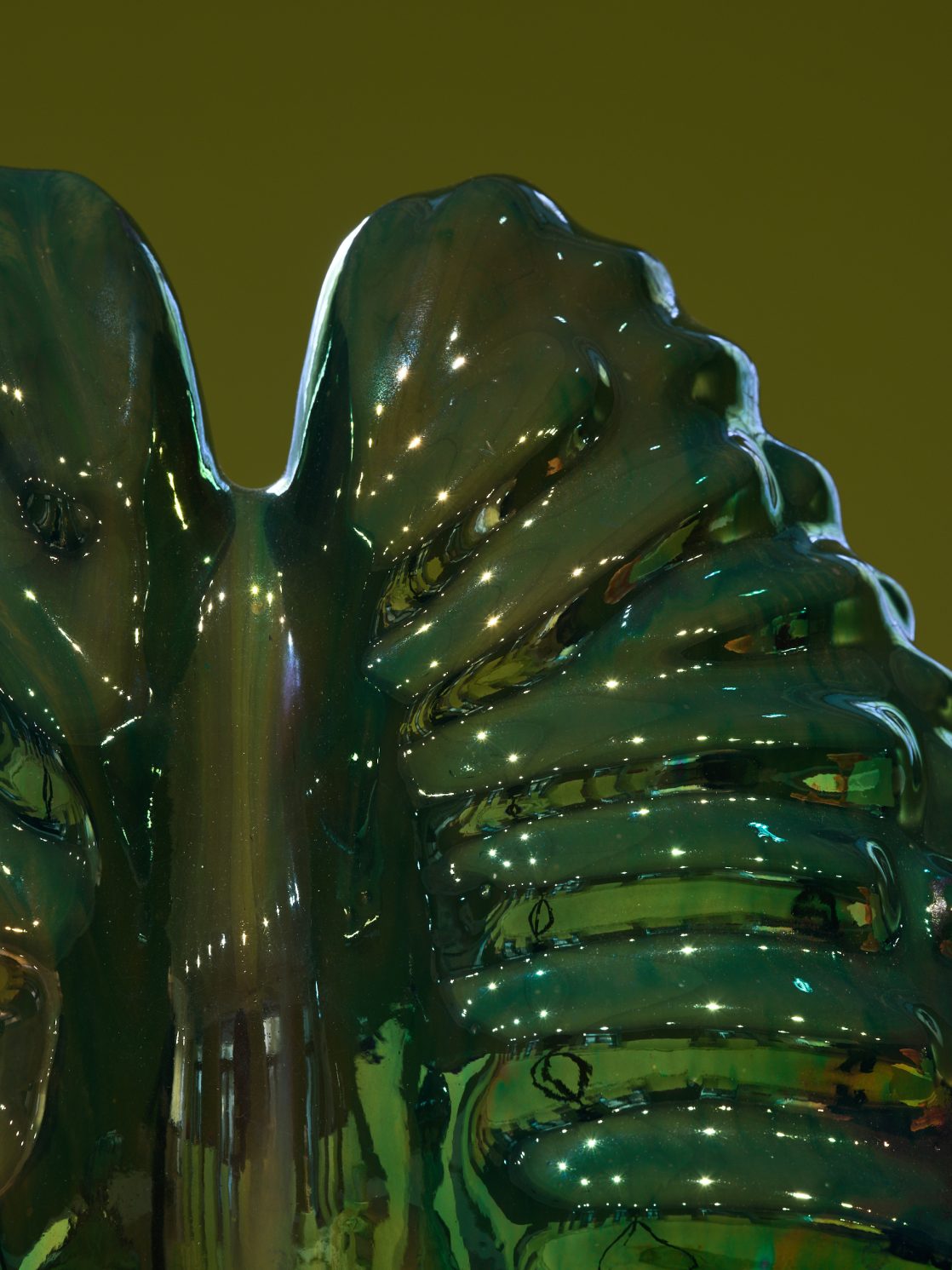
Uriel Caspi introduces another, darker and more explicitly anatomical strand. His Corpus Archetypus series, described by the gallery as featuring posthuman organs and exploring relations between the human body and the ceramic vessel, is particularly striking in concept. The vessel-body analogy is ancient, but Caspi gives it new force by pushing it into the posthuman. His use of Arabian lustre formulated with precious metals is especially effective in this context, because the iridescent surface holds antiquity and futurity in the same skin. The work feels both archaeological and not-yet-born.
As someone who came to ceramics through medicine, I find Caspi’s territory especially compelling. The body in such work is no longer stable, singular, or self-contained. It becomes a site of hybridisation, a container shaped by technological and biological pressure. Yet the work remains ceramic in a deep sense. It does not abandon the vessel; it complicates it. That is a distinction worth valuing.
2126: A Ceramic Odyssey, 17 March - 3 May 2026, County Hall Pottery, London, UK
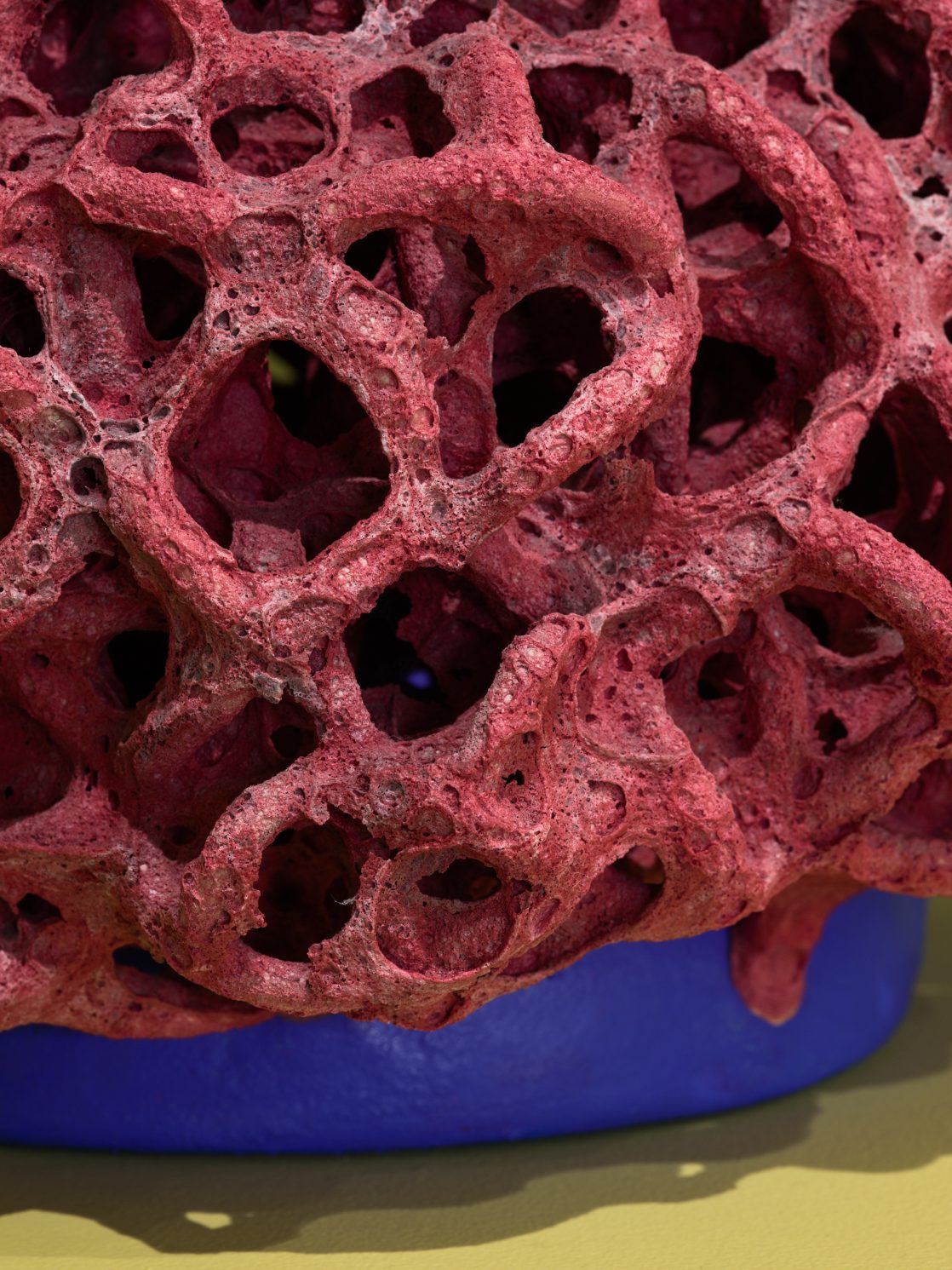
Tessa Eastman’s contribution seems to operate more through ambiguity than declaration. Her forms, informed by microscopic structures as well as sea and sky, explore what the gallery calls ‘the strangeness of growth.’ This is a useful phrase, and a good description of what many contemporary ceramic sculptors are after. Growth is rarely neat. It bulges, interlaces, expands and digresses. Eastman’s interest in glaze science and in the interplay of glossy and weathered, coarse and smooth surfaces suggests a practice deeply committed to surface as a site of transformation rather than mere finish.
Toni Losey’s presence adds welcome breadth to the exhibition. With a practice shaped by studio ceramics, exhibition culture, and international presentation, she strengthens the sense that 2126 is trying to map a broader conversation rather than a local style. Her inclusion helps prevent the exhibition from becoming too self-enclosed in its own speculative language.
What finally makes 2126: A Ceramic Odyssey persuasive is that it does not simply use the future as an excuse for novelty. The future here is not a decorative theme but a lens through which to examine how ceramics already behaves: as chemistry, as transformation, as embodied process, as a medium in which emergence matters as much as control. The best works in the exhibition seem to understand that the most convincing ceramic futurism will not come from imitating technology, but from amplifying what clay already knows about mutation, fragility, adaptation, and form under pressure.
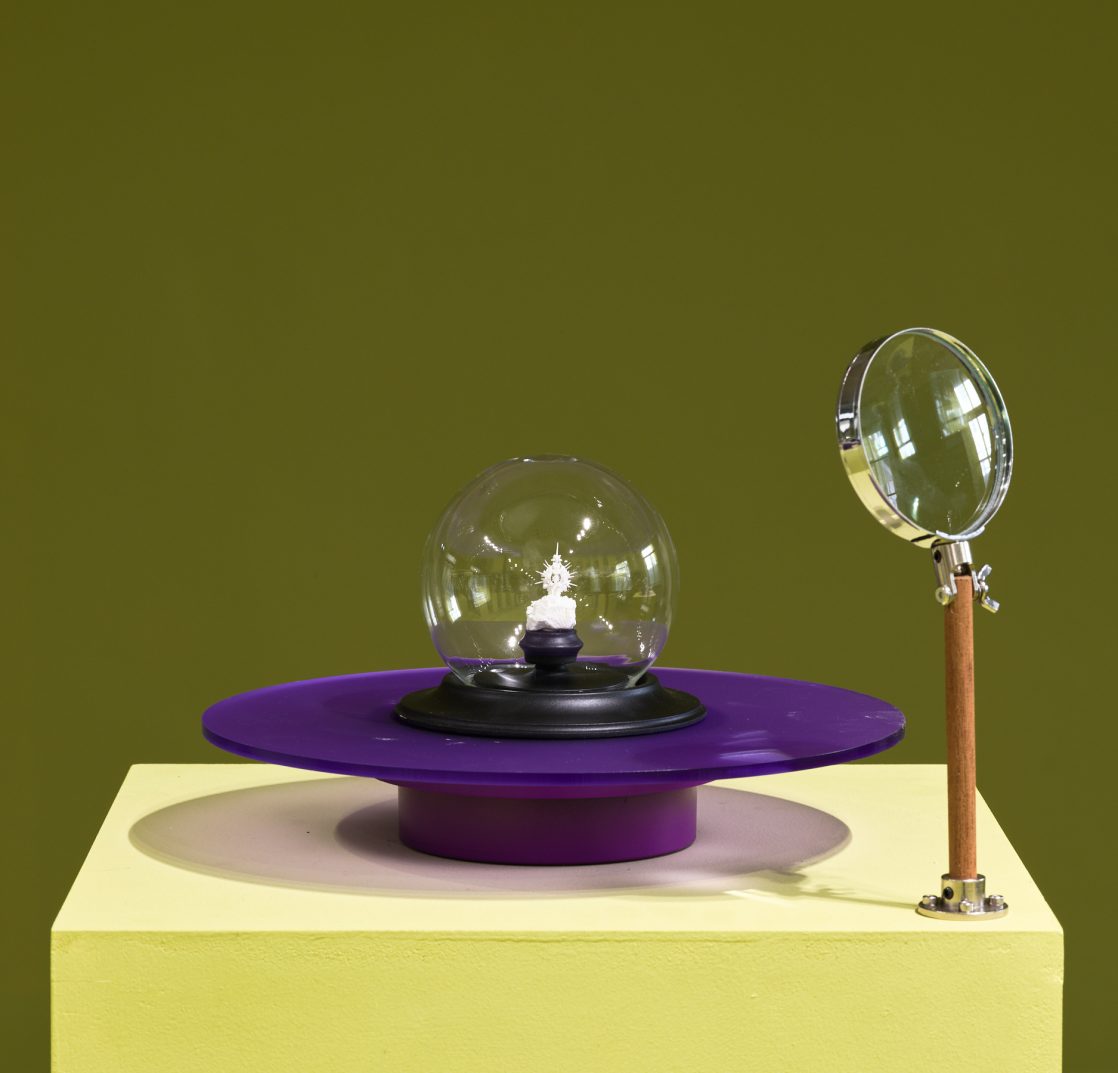
2126: A Ceramic Odyssey, 17 March - 3 May 2026, County Hall Pottery, London, UK
If there is a risk, it lies in the exhibition’s own attractive rhetoric. ‘Bio-futurism’ can become a broad church, and some viewers may wish for a sharper curatorial distinction between ecological speculation and post-human fantasy. But the exhibition’s material intelligence largely carries it through. These works are too physically particular, too committed to ceramic transformation, to drift into empty concept.
What remains after 2126 is not a tidy image of the future, but a more fruitful uncertainty. The show suggests that ceramics a century from now may not be cleaner, faster, or more technological in any obvious sense. It may instead become more entangled with life: more organismal, more porous, more hybrid, more ethically complicated. At County Hall Pottery, that possibility feels less like an abstract proposition than a material one. Clay, as ever, is already ahead of us.
For more details visit countyhallpottery.com
Ceramic Review is the international magazine for contemporary and historical ceramics, ceramic art and pottery.
As a subscriber to the print magazine, you also get FREE access online to the entire Ceramic Review archive – going all the way back to our first issue in 1970. Digital subscriptions are online only.